Low Deposit Home Loans: Costs, Requirements, and Mortgage Insurance Explained
Low Deposit Home Loans: Costs, Requirements, and Mortgage Insurance Explained sets the stage for this enthralling narrative, offering readers a glimpse into a story that is rich in detail with casual formal language style and brimming with originality from the outset.
Exploring the intricacies of low deposit home loans, this guide dives deep into the costs, requirements, and nuances of mortgage insurance, providing readers with a comprehensive understanding of this crucial aspect of homeownership.
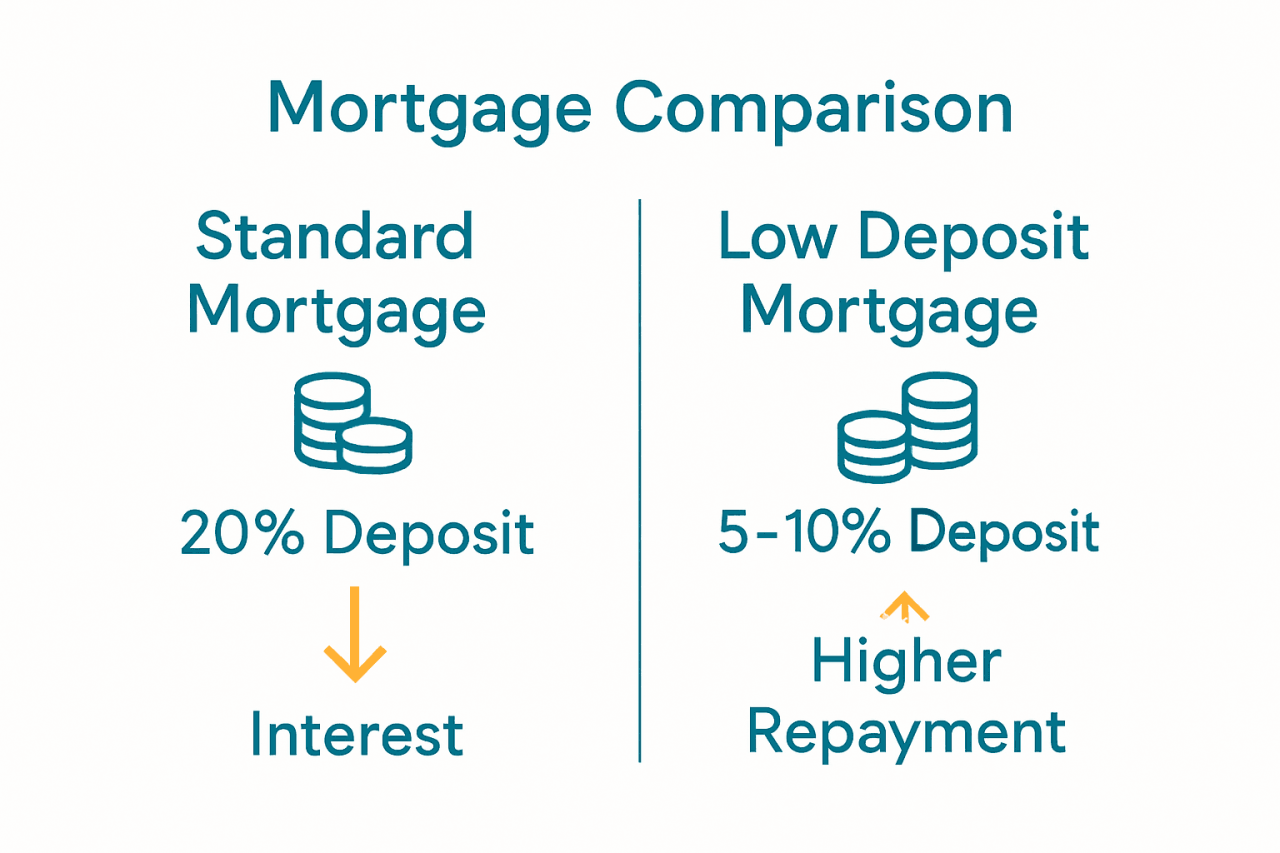
When considering low deposit home loans, it’s crucial to be aware of the various costs that borrowers may encounter throughout the process. These costs can significantly impact the overall affordability of homeownership and should be carefully considered before committing to a loan.
When applying for a low deposit home loan, there are specific requirements that borrowers need to meet in order to qualify for this type of mortgage.
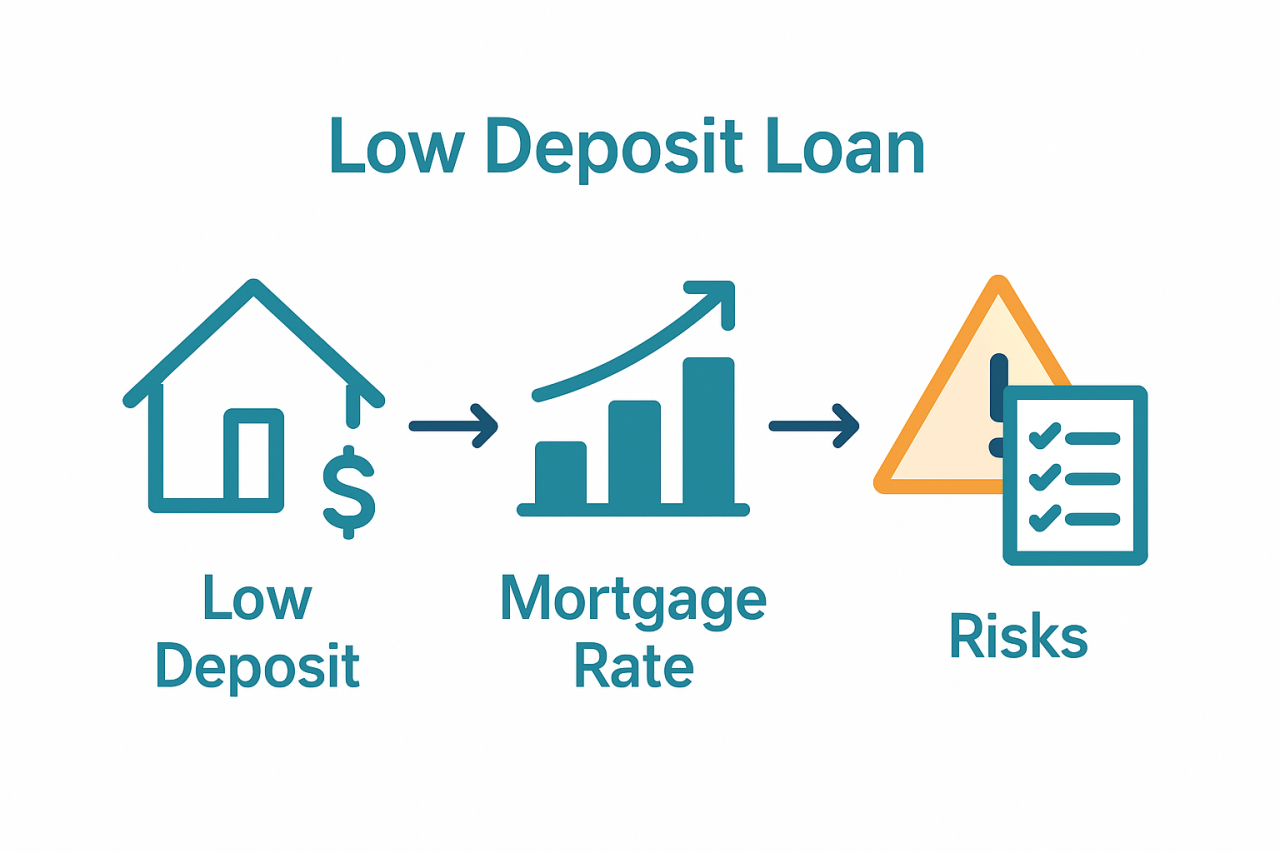
When purchasing a home with a low deposit, one of the additional costs that borrowers may encounter is mortgage insurance. Mortgage insurance is designed to protect the lender in case the borrower defaults on their loan. It is typically required for home loans where the deposit is less than 20% of the property’s value.
Lenders Mortgage Insurance (LMI) is the most common type of mortgage insurance used for low deposit home loans. Unlike other types of mortgage insurance, LMI specifically protects the lender, not the borrower. This means that if the borrower defaults on the loan and the lender incurs a loss after selling the property, the LMI policy will cover part of that loss.
Mortgage insurance premiums for low deposit loans are calculated based on a percentage of the loan amount. The exact percentage can vary depending on the size of the deposit, the loan amount, and the lender’s requirements. Generally, the smaller the deposit, the higher the percentage of the loan amount that will be charged as the insurance premium.
Mortgage insurance can significantly increase the overall cost of borrowing for low deposit home buyers. The insurance premium is typically added to the loan amount, which means that borrowers will pay interest on the premium over the life of the loan.
This can result in thousands of dollars in additional costs over the loan term. Additionally, the higher the loan-to-value ratio (LVR), the higher the insurance premium, further increasing the cost of borrowing.
What is the minimum deposit percentage required for low deposit home loans?
Lenders typically require a minimum deposit of around 5% to 10% for low deposit home loans.
How does mortgage insurance impact the overall cost of borrowing?
Mortgage insurance adds an extra cost to the loan, usually in the form of premiums, which can increase the overall borrowing expenses for low deposit home buyers.
What are some examples of additional fees that borrowers may incur with low deposit home loans?
Additional fees may include application fees, valuation fees, and lender’s mortgage insurance (LMI) premiums, among others.