Home Equity Loan vs HELOC: Rates, Costs, and Which Option Fits Your Needs?
Exploring the differences between Home Equity Loans and HELOCs, this topic delves into the intricacies of choosing the right option to meet your financial needs. Get ready for a deep dive into the world of home equity financing.
Delve into the nuances of interest rates, costs, and accessibility of funds to make an informed decision tailored to your specific requirements.
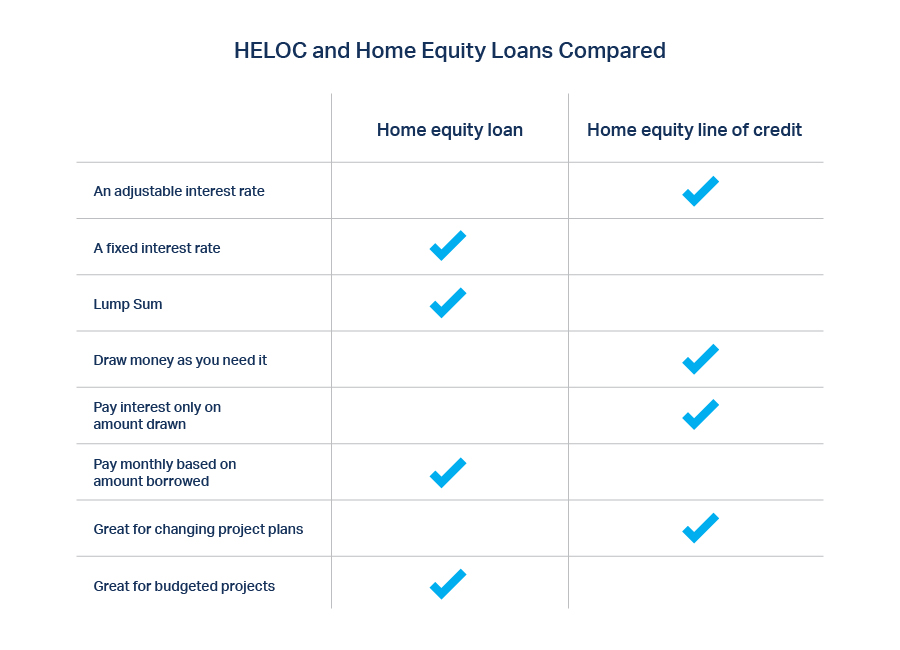
When considering borrowing against your home equity, it’s important to understand the key differences between a Home Equity Loan and a Home Equity Line of Credit (HELOC). Each option has its own features and benefits that cater to different financial needs.
A Home Equity Loan provides a lump sum of money upfront, which is repaid over a fixed term with a fixed interest rate. This type of loan is ideal for borrowers who need a specific amount of money for a one-time expense, such as a home renovation or debt consolidation.
A Home Equity Line of Credit, on the other hand, works more like a credit card where you have a revolving line of credit to borrow from as needed. The interest rate is usually variable, and you only pay interest on the amount you use.
HELOCs are suitable for ongoing expenses or projects with uncertain costs, such as home improvements over time.
When considering a Home Equity Loan or a Home Equity Line of Credit (HELOC), it’s essential to understand the interest rates and costs associated with each option. Here, we will compare the typical interest rates for both types of loans and discuss the factors that can influence these rates.
Additionally, we will delve into the potential costs involved, such as closing costs, fees, and other charges.
When it comes to accessing funds with a Home Equity Loan or a HELOC, there are distinct processes involved for each type of loan.
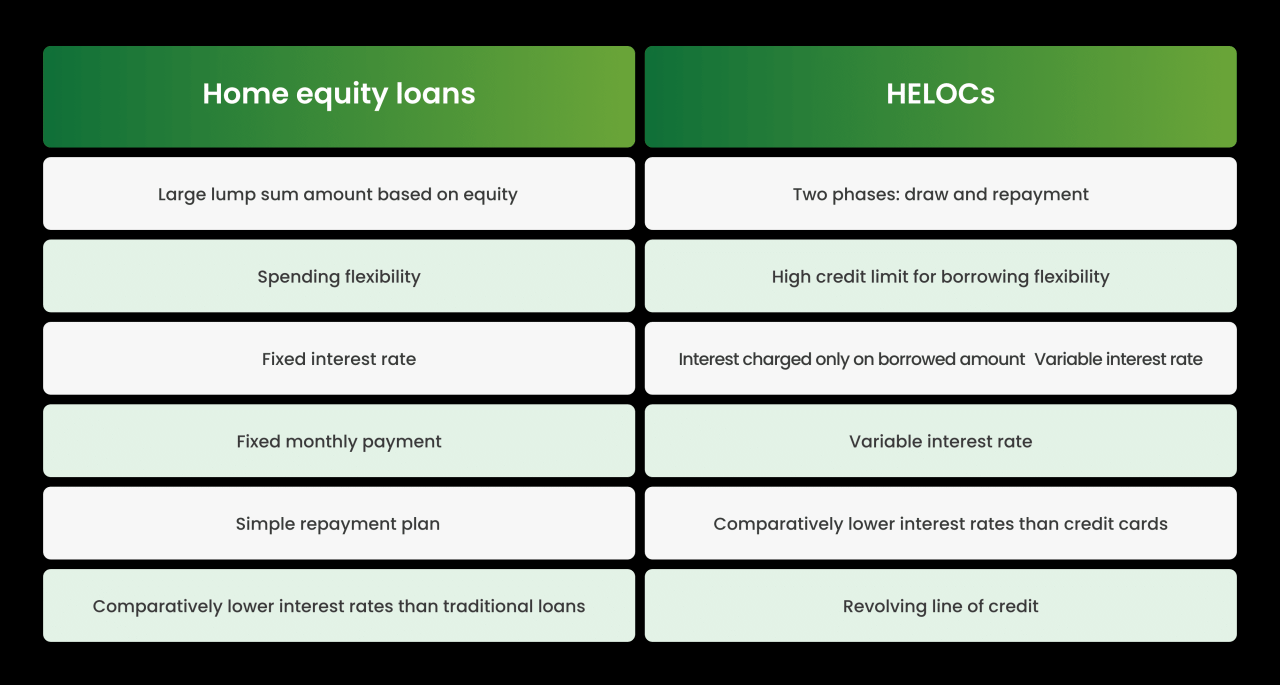
When considering a home equity loan or a HELOC, understanding the repayment terms and flexibility is crucial in making the right decision for your financial needs.
Home equity loans typically come with fixed repayment terms, meaning you borrow a lump sum of money and make regular monthly payments over a set period of time. The repayment term can range from 5 to 30 years, with a fixed interest rate for the entire term.
HELOCs offer more flexibility in repayment options compared to home equity loans. With a HELOC, you have a revolving line of credit that you can borrow from as needed during the draw period, usually 5 to 10 years. During this time, you only need to make interest payments on the amount you borrow.
Once the draw period ends, you enter the repayment period, where you pay back both the principal and interest.
HELOCs allow you to borrow only what you need when you need it, making it a flexible option for ongoing expenses or projects with varying costs.
When considering a Home Equity Loan or a HELOC, it is crucial to understand the potential risks involved to make an informed decision that aligns with your financial goals and circumstances.
What factors influence interest rates on Home Equity Loans and HELOCs?
Interest rates are influenced by factors such as credit score, loan amount, and market conditions.
Can I use funds from a Home Equity Loan for renovations?
Yes, Home Equity Loans are commonly used for home improvement projects.
How can one manage the risks associated with a HELOC?
To manage risks with a HELOC, consider setting a repayment plan, monitoring spending, and staying informed about interest rate changes.