Mortgage Rates in 2026: How to Compare Home Loan Offers
Diving into Mortgage Rates in 2026: How to Compare Home Loan Offers, this introduction immerses readers in a unique and compelling narrative. It aims to provide valuable insights into understanding mortgage rates and comparing home loan offers effectively for the year 2026.
Exploring the factors influencing mortgage rates, comparing different offers, and predicting future trends are all part of the exciting journey this article will embark on.
When you’re looking to buy a home, understanding mortgage rates is crucial as they directly impact the overall cost of borrowing. Mortgage rates refer to the interest charged on a home loan, which determines your monthly payment amount and the total amount you’ll pay over the life of the loan.
Several factors can influence mortgage rates, including:
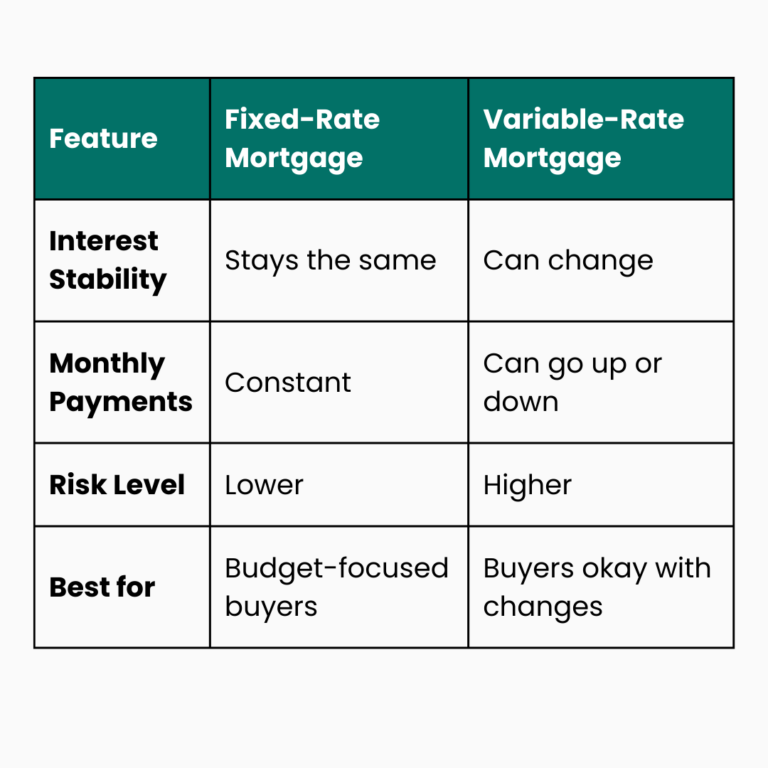
There are two main types of mortgages based on interest rates:
When looking for a mortgage, it’s crucial to compare different home loan offers to ensure you’re getting the best deal possible. Here are some key factors to consider when evaluating mortgage offers:
One of the most important aspects to compare when looking at home loan offers is the interest rate. A lower interest rate can save you thousands of dollars over the life of the loan. Additionally, look at the Annual Percentage Rate (APR), which includes not only the interest rate but also any additional fees associated with the loan.
This gives you a more accurate picture of the total cost of borrowing.
Don’t forget to take into account any loan fees and closing costs when comparing offers. These can vary greatly between lenders and significantly affect the overall cost of the loan. Be sure to factor in all fees, including origination fees, appraisal fees, and any other charges that may apply.
Consider the loan term and type when comparing offers. The loan term, or the length of time you have to repay the loan, can impact your monthly payments and the total amount of interest you’ll pay. Additionally, there are different types of loans, such as fixed-rate mortgages and adjustable-rate mortgages, each with its own advantages and disadvantages.
Make sure to choose the loan term and type that best suits your financial goals and situation.

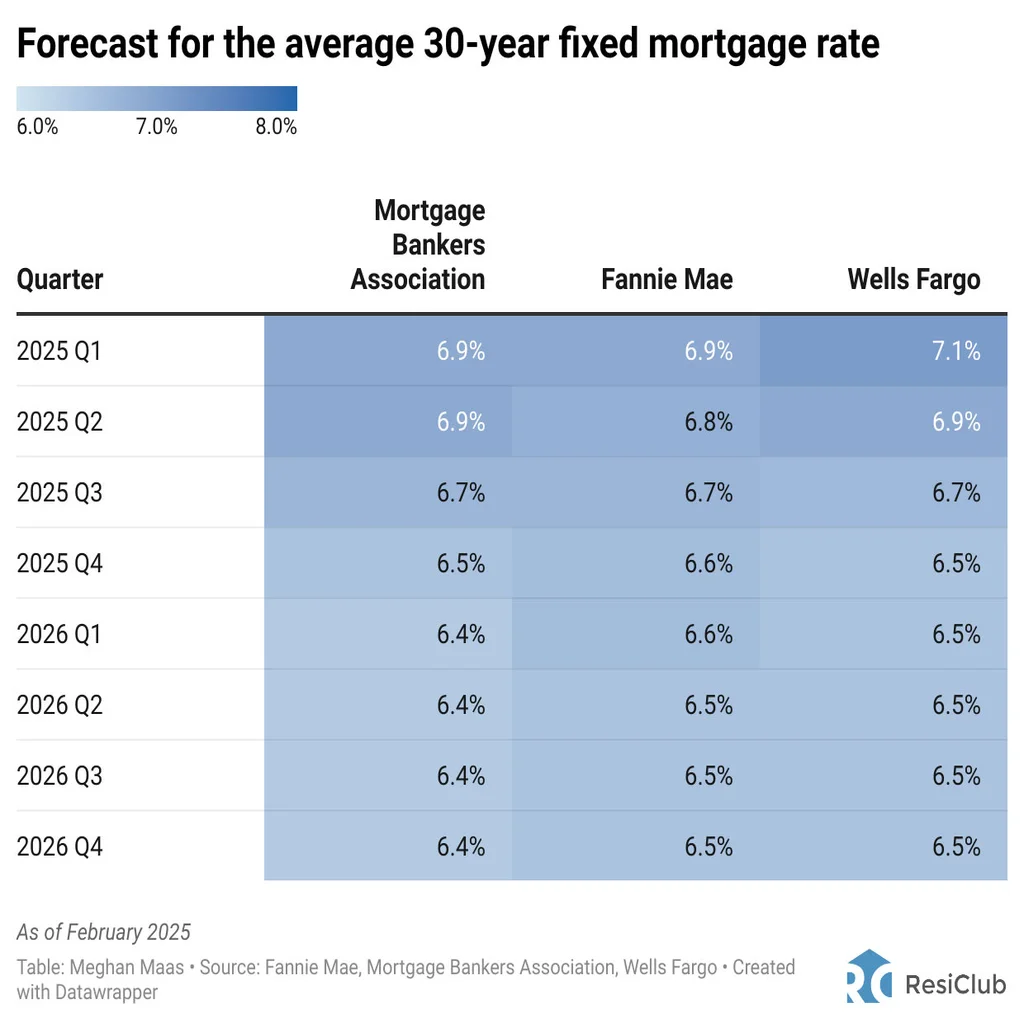
As we look ahead to 2026, experts in the housing market are closely monitoring current trends to make forecasts about mortgage rates in the coming years. Various economic factors and market conditions will play a crucial role in determining the direction of mortgage rates in 2026.
The current housing market trends, such as supply and demand dynamics, inflation rates, and the overall economic outlook, will significantly influence mortgage rates in 2026. If there is a high demand for homes coupled with limited supply, it could lead to an increase in mortgage rates.
On the other hand, a slowdown in the housing market could result in more favorable mortgage rates for buyers.
Experts are predicting that mortgage rates in 2026 may experience some fluctuations based on the overall economic conditions. Some anticipate a gradual increase in rates as the economy continues to recover, while others believe that rates may remain relatively stable due to government intervention and monetary policy decisions.
Several economic factors, such as inflation, employment rates, GDP growth, and Federal Reserve policies, will all have a significant impact on mortgage rates in 2026. For instance, if inflation rates rise, lenders may adjust mortgage rates to compensate for the decrease in purchasing power.
Similarly, changes in employment rates and GDP growth can also influence the direction of mortgage rates in the coming years.
When it comes to securing the best mortgage rate, there are several strategies that potential homebuyers can employ. From improving credit scores to negotiating with lenders, these tactics can make a significant impact on the overall cost of the mortgage.
One of the most effective ways to qualify for lower mortgage rates is by improving your credit score. Lenders typically offer better rates to borrowers with higher credit scores, as they are considered less risky. To boost your credit score, make sure to pay bills on time, keep credit card balances low, and avoid opening new lines of credit before applying for a mortgage.
Another crucial strategy is to shop around and compare offers from different lenders. Each lender may offer slightly different rates and terms, so it’s essential to explore all options before committing to a mortgage. By comparing rates from multiple lenders, you can ensure that you’re getting the best possible deal.
Don’t be afraid to negotiate with lenders to secure a favorable mortgage rate. If you have a strong credit history, stable income, or a sizable down payment, you may be able to leverage these factors to negotiate for a lower rate.
Be prepared to ask questions, push for better terms, and consider seeking pre-approval to strengthen your position during negotiations.
What are some common factors that influence mortgage rates?
Factors such as economic conditions, inflation rates, and the overall housing market can influence mortgage rates.
How can I effectively compare different mortgage offers?
To compare offers, focus on interest rates, APR, fees, loan terms, and types to determine the most suitable option for your financial situation.
Is it possible to negotiate for a better mortgage rate?
Yes, negotiating with lenders is a common practice. By shopping around and presenting a strong financial profile, you can often secure a more favorable mortgage rate.