Home Loan Refinance Rates: How to Compare Lenders and Reduce Interest
Kicking off with Home Loan Refinance Rates: How to Compare Lenders and Reduce Interest, this opening paragraph is designed to captivate and engage the readers, providing a comprehensive guide on navigating the world of home loan refinancing. From understanding the intricacies of refinance rates to comparing lenders and strategies for reducing interest, this article covers it all.
Delving into the nuances of home loan refinancing, we explore the factors that influence refinance rates, the key criteria for selecting the best lenders, and practical tips for negotiating lower interest rates. By the end of this read, you’ll be equipped with the knowledge needed to make informed decisions about your home loan refinance options.
When it comes to home loan refinance rates, it is essential to grasp the concept of refinancing in the context of reducing interest payments on an existing mortgage. Refinancing involves replacing an old mortgage with a new one, typically with more favorable terms such as lower interest rates or monthly payments.Factors that influence refinance rates include the current economic environment, the borrower’s credit score, the loan-to-value ratio, and the overall health of the housing market.
For instance, a strong credit score can lead to lower refinance rates, while a weak credit score may result in higher rates.
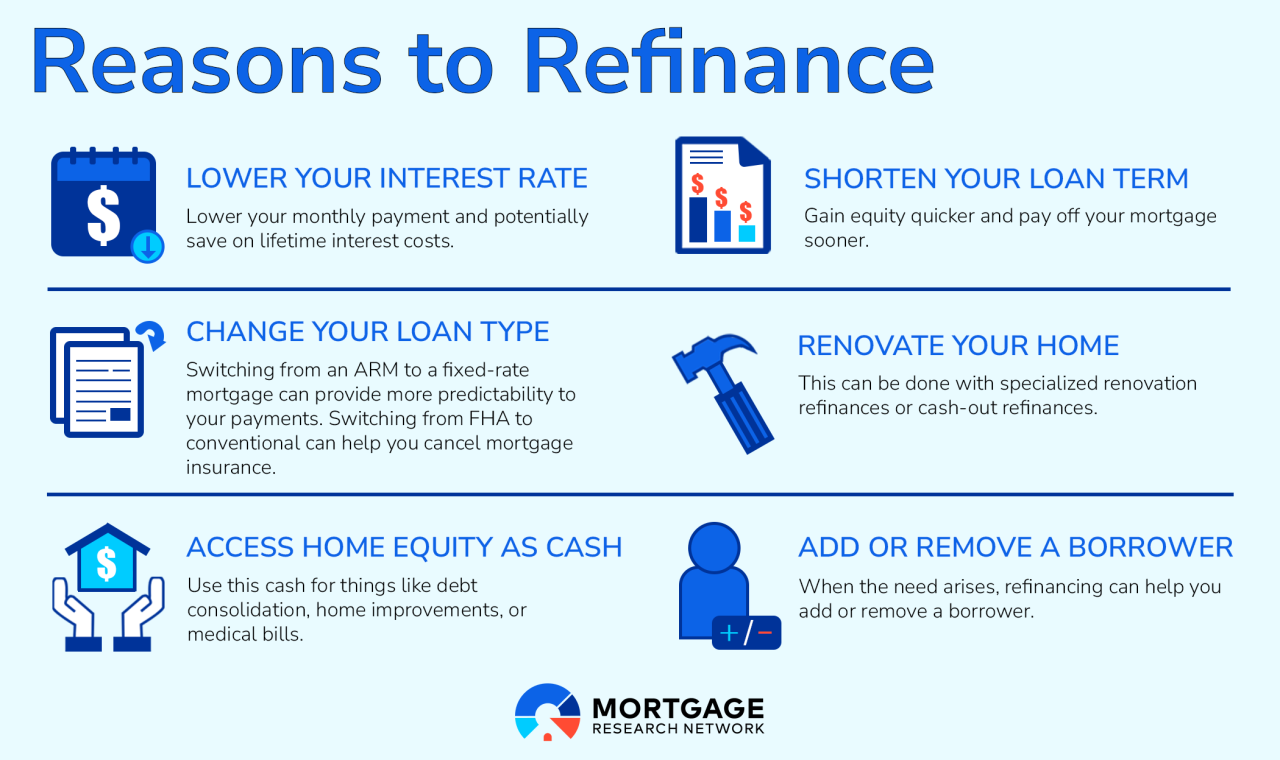
When looking to refinance your home loan, it’s crucial to compare lenders to ensure you secure the best rates possible. Here are key criteria to consider when evaluating different lenders for your refinance:
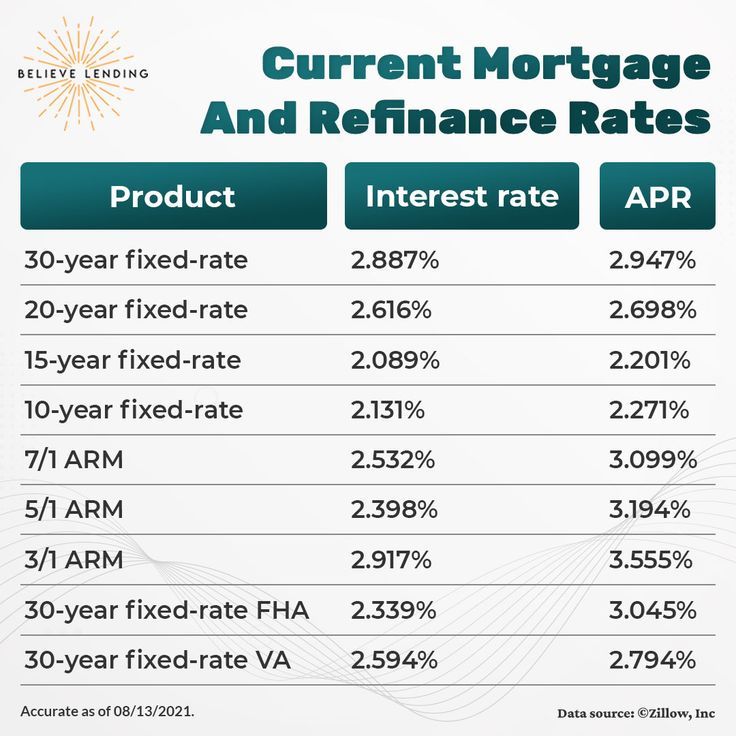
Negotiating with lenders, improving credit scores, and buying points are effective strategies to reduce home loan refinance rates.
When refinancing your home loan, don’t hesitate to negotiate with lenders for better rates. By comparing offers from multiple lenders and highlighting your creditworthiness and financial stability, you can often secure a lower interest rate. Be prepared to discuss your payment history, income stability, and any other factors that demonstrate your ability to handle the loan responsibly.
One of the most significant factors affecting your home loan refinance rates is your credit score. To qualify for lower interest rates, focus on improving your credit score by making timely payments, reducing debt, and correcting any errors on your credit report.
A higher credit score not only increases your chances of approval but also allows you to secure more favorable terms and lower interest rates.
Another strategy to reduce interest rates is by buying points. Mortgage points, also known as discount points, allow you to pay upfront to lower your interest rate over the life of the loan. Each point typically costs 1% of the total loan amount and can reduce your interest rate by a certain percentage, ultimately saving you money on interest payments each month.
Consider your financial situation and how long you plan to stay in the home to determine if buying points is a cost-effective option for you.
When looking to refinance your home loan, it’s essential to compare rates from different lenders to ensure you get the best deal. Fortunately, there are several online tools and resources available that can help you with this process.Online calculators are a great way to estimate the potential savings from refinancing at lower rates.
These calculators typically require you to input information such as your current loan amount, interest rate, and the new rate you are considering. They then provide you with an estimate of how much you could save in terms of monthly payments and total interest over the life of the loan.
This can be a useful tool to determine if refinancing is the right choice for you.When using online rate comparison tools, it’s important to consider their reliability and accuracy. While most reputable websites that offer these tools provide up-to-date information, it’s always a good idea to double-check the rates directly with the lenders themselves.
Additionally, keep in mind that the rates displayed online may not always be tailored to your specific financial situation, so it’s a good idea to reach out to lenders directly for personalized quotes.
What are some common factors that influence refinance rates?
Factors such as credit score, loan term, current market conditions, and the type of loan can all impact refinance rates.
How can borrowers negotiate with lenders for better rates?
Borrowers can negotiate by comparing offers from multiple lenders, highlighting their creditworthiness, and showing loyalty to their current lender.
Are online calculators reliable for estimating savings from refinancing?
Online calculators can provide estimates, but it’s essential to consult with a financial advisor or lender for accurate figures.