Fixed vs Variable Mortgage Rates: Which Home Loan Option Costs Less?
Delving into Fixed vs Variable Mortgage Rates: Which Home Loan Option Costs Less?, this introduction immerses readers in a unique and compelling narrative, with a casual formal language style that is both engaging and thought-provoking from the very first sentence.
As we explore the intricacies of fixed and variable mortgage rates, we uncover the nuances that can significantly impact the overall cost of a home loan.
When considering a mortgage, one of the key decisions to make is whether to opt for a fixed or variable interest rate. Each option has its own set of advantages and disadvantages, which can impact the overall cost of borrowing.
Fixed mortgage rates are interest rates that remain the same for the entire term of the loan. This means that your monthly mortgage payments will remain consistent and predictable, providing stability and peace of mind for homeowners. Even if market interest rates rise, your fixed rate will not change.
Fixed rates are ideal for homeowners who prefer to have a consistent budget and want protection against potential interest rate hikes.
Variable mortgage rates, also known as adjustable rates, can change over time based on fluctuations in the market interest rates. These rates are typically lower initially than fixed rates, offering potential savings in the early years of the loan. However, they can increase if market rates go up.
Variable rates may be more suitable for homeowners who are willing to take on some risk in exchange for potential cost savings, especially if they believe that market rates will remain stable or decrease.
When it comes to choosing between fixed and variable mortgage rates, understanding the cost implications is crucial. Let’s delve into how each type of rate can affect your overall expenses.
Fixed rates provide stability as your interest rate remains constant throughout the life of the loan. This means that your monthly mortgage payments will also remain the same, making budgeting easier and more predictable.
Variable rates, on the other hand, are subject to fluctuations based on market conditions. If interest rates rise, your monthly payments will increase, potentially impacting your financial stability. However, if rates decrease, you could benefit from lower payments.
Over the life of a fixed-rate mortgage, you will pay a set amount of interest based on the initial rate. In contrast, with a variable-rate mortgage, the total interest paid can vary depending on rate changes over time. It’s important to consider these fluctuations when making your decision.
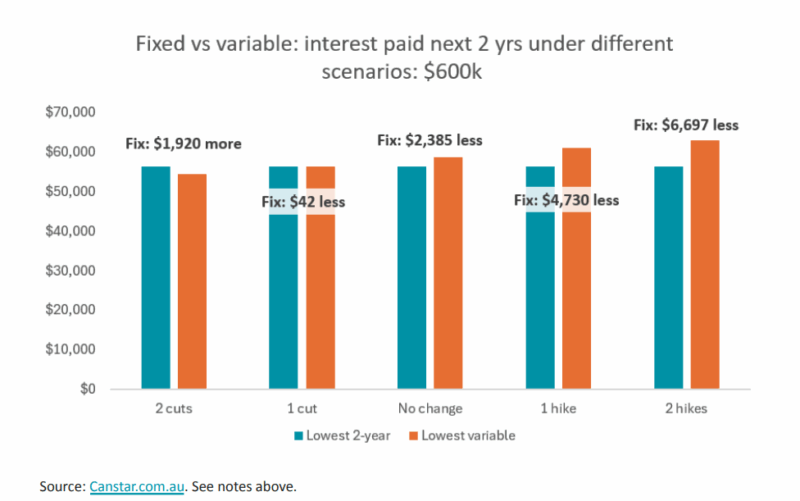
When it comes to mortgage rates, market factors play a crucial role in determining whether fixed or variable rates are more advantageous for borrowers. Let’s take a closer look at the key economic factors that influence fixed mortgage rates and how market conditions impact variable mortgage rates.
Fixed mortgage rates are influenced by various economic factors, including the overall health of the economy, the housing market, and the actions of the Federal Reserve. When the economy is strong and there is low inflation, fixed rates tend to be higher to account for potential inflation in the future.
On the other hand, during economic downturns, fixed rates may decrease to stimulate borrowing and spending.
Variable mortgage rates, also known as adjustable-rate mortgages (ARMs), are directly influenced by market conditions and economic indicators. These rates are typically tied to an index, such as the prime rate or the London Interbank Offered Rate (LIBOR), which fluctuates based on market conditions.
Variable rates can offer lower initial rates compared to fixed rates, but they are subject to change over time based on market conditions.
Inflation is a key factor in determining interest rates for both fixed and variable mortgages. Lenders factor in inflation expectations when setting rates to ensure they earn a real return on their loans.
Looking back at historical trends, we can see how market factors have influenced both fixed and variable mortgage rates over time. For example, during periods of economic recession, fixed rates tend to decrease as the Fed lowers interest rates to stimulate economic growth.
Conversely, variable rates may fluctuate more significantly during times of economic uncertainty, reflecting changes in market conditions and indices.Overall, understanding how market factors impact fixed and variable mortgage rates can help borrowers make informed decisions when choosing between these two home loan options.
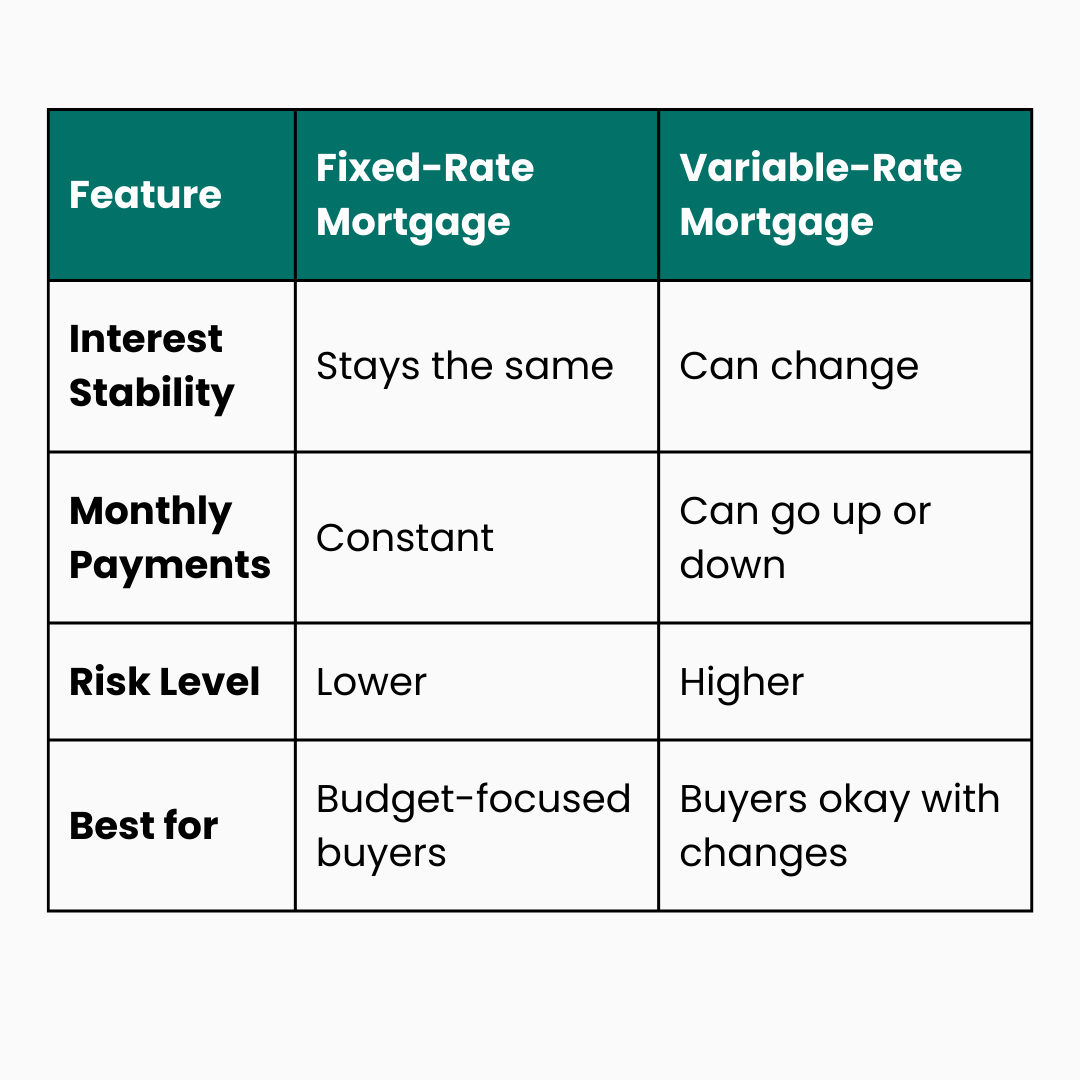
When it comes to choosing between fixed-rate and variable-rate mortgages, it is crucial to consider the associated risks. Understanding the potential risks can help borrowers make informed decisions about their home loans. Fixed-rate mortgages come with certain risks that borrowers should be aware of.
One of the main risks is that borrowers may end up paying higher interest rates compared to variable-rate mortgages if interest rates decrease in the market. Additionally, borrowers may face penalties if they decide to refinance or pay off the mortgage early.
Variable-rate mortgages, on the other hand, also come with their own set of risks. The primary risk with variable-rate mortgages is that the interest rates can fluctuate based on market conditions, leading to unpredictable monthly payments for borrowers. This can result in higher monthly payments if interest rates rise significantly.
During economic fluctuations, the risk exposure between fixed and variable rates varies. In a rising interest rate environment, borrowers with fixed-rate mortgages are protected from increasing rates, providing stability in their monthly payments. However, in a declining rate environment, borrowers with variable-rate mortgages may benefit from lower rates and reduced monthly payments.
Ultimately, the choice between fixed and variable rates depends on the borrower’s risk tolerance, financial situation, and market conditions. Assessing the risks associated with each type of mortgage can help borrowers make a well-informed decision that aligns with their financial goals.
What are the benefits of fixed mortgage rates over variable rates?
Fixed mortgage rates offer stable monthly payments, providing predictability for budgeting purposes. On the other hand, variable rates can fluctuate based on market conditions, potentially leading to higher payments.
How do economic factors impact variable mortgage rates?
Economic factors such as inflation, economic growth, and central bank policies can influence variable mortgage rates. When these factors change, variable rates may adjust accordingly.
Which type of rate is more suitable for long-term financial planning?
Fixed rates are often preferred for long-term financial planning as they provide stability and protection against interest rate hikes. Variable rates may be riskier in the long run due to potential fluctuations.