Buy-to-Let Mortgage UK: Rates, Fees, and Eligibility Explained
Buy-to-Let Mortgage UK: Rates, Fees, and Eligibility Explained sets the stage for this enthralling narrative, offering readers a glimpse into a story that is rich in detail with casual formal language style and brimming with originality from the outset.
Buy-to-let mortgages are a popular choice for investors looking to enter the real estate market in the UK. Understanding the rates, fees, and eligibility criteria is essential for making informed decisions in this lucrative industry.
A buy-to-let mortgage is a type of mortgage specifically designed for individuals who want to buy a property to rent out to tenants, rather than to live in themselves. This differs from a regular mortgage, which is used to purchase a property for personal use.
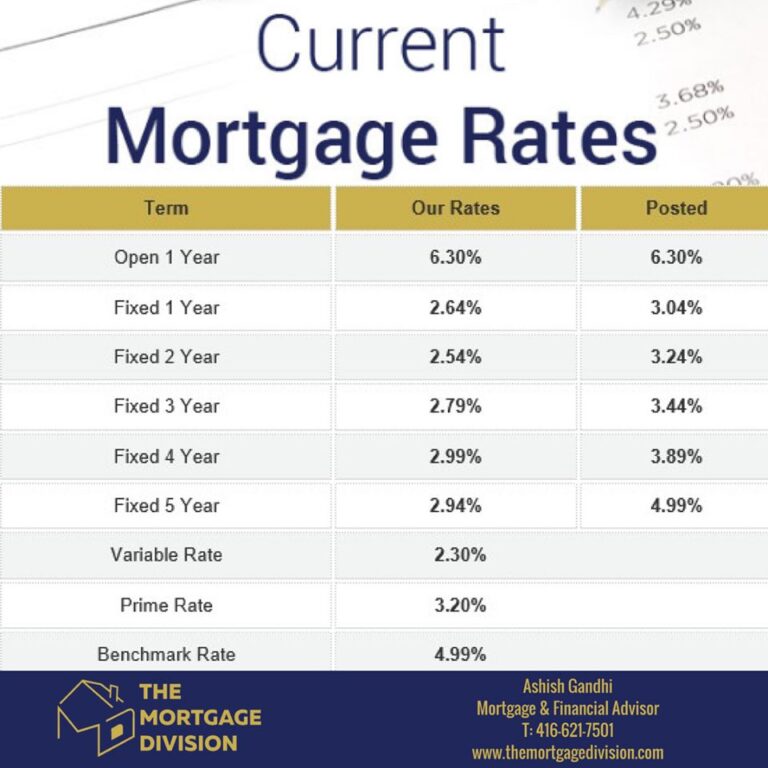
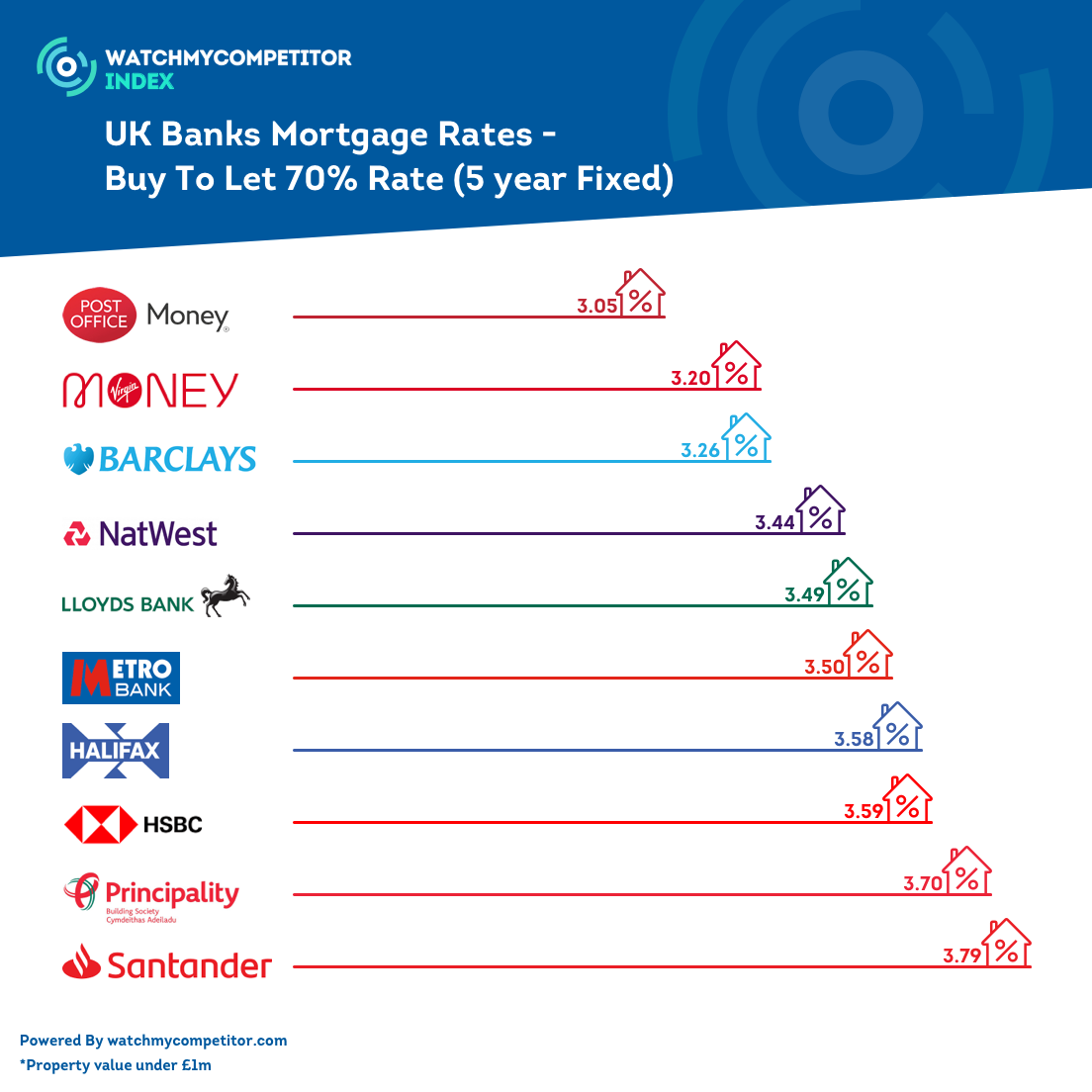
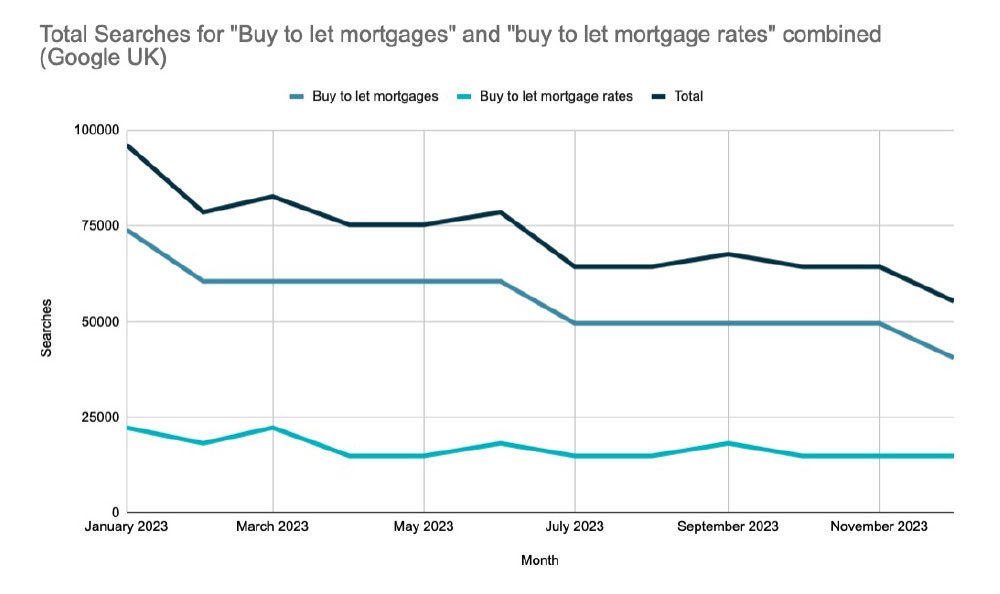
When it comes to buy-to-let mortgages in the UK, the interest rates play a crucial role in determining the overall cost of borrowing. Understanding how these rates are structured can help investors make informed decisions about their investments.Interest rates for buy-to-let mortgages are typically structured as either fixed-rate or variable-rate.
Fixed-rate mortgages offer a set interest rate for a specific period, providing borrowers with predictability and stability in their monthly payments. On the other hand, variable-rate mortgages have interest rates that can fluctuate based on market conditions, potentially resulting in lower initial rates but with the risk of rates increasing over time.Economic factors such as the Bank of England base rate, inflation, and the overall health of the economy can influence buy-to-let mortgage rates.
For example, if the Bank of England raises the base rate, mortgage lenders may increase their rates in response. Similarly, high inflation or economic uncertainty can lead to higher mortgage rates as lenders factor in the risks associated with lending.
When choosing between fixed-rate and variable-rate buy-to-let mortgages, investors need to consider their risk tolerance and financial goals. Here are some key differences to keep in mind:
When investing in a buy-to-let property, it’s crucial to consider the various fees that come with securing a buy-to-let mortgage. These fees can significantly impact the overall cost of your investment and should not be overlooked.
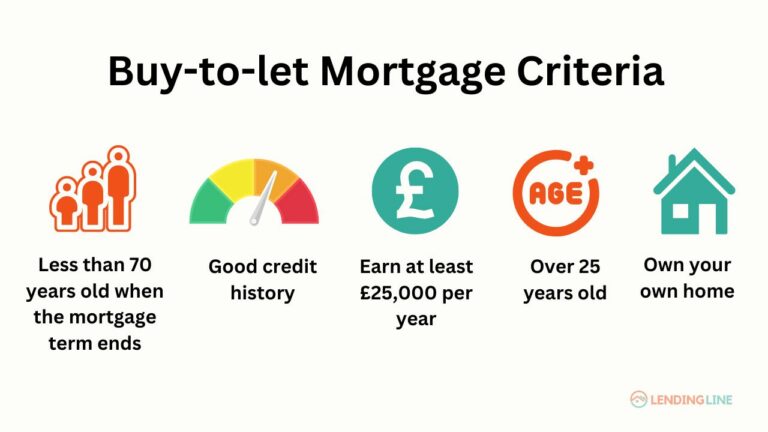
When applying for a buy-to-let mortgage, there are certain eligibility requirements that individuals need to meet. Lenders consider various factors to assess whether an applicant qualifies for this type of mortgage.
What is the difference between a buy-to-let mortgage and a regular mortgage?
A buy-to-let mortgage is specifically designed for purchasing properties to rent out, while a regular mortgage is for buying a home to live in. Buy-to-let mortgages typically have higher interest rates and stricter eligibility criteria.
How can economic factors influence buy-to-let mortgage rates?
Economic factors such as interest rates set by the Bank of England, inflation, and market demand can impact buy-to-let mortgage rates. In times of economic uncertainty, rates may fluctuate, affecting the cost of borrowing for investors.
What are some common fees associated with buy-to-let mortgages?
Common fees include arrangement fees, valuation fees, and legal fees. These fees can add to the overall cost of investing in a buy-to-let property, so it’s important to factor them into your financial planning.