Mortgage Refinance Closing Costs: Fees, Savings, and Break-Even Explained
Delving into Mortgage Refinance Closing Costs: Fees, Savings, and Break-Even Explained, this introduction immerses readers in a unique and compelling narrative, with casual formal language style that is both engaging and thought-provoking from the very first sentence.
Exploring the intricacies of mortgage refinance closing costs can shed light on potential savings and financial implications for homeowners. Understanding these fees, savings, and break-even points is crucial for making informed decisions when considering refinancing.
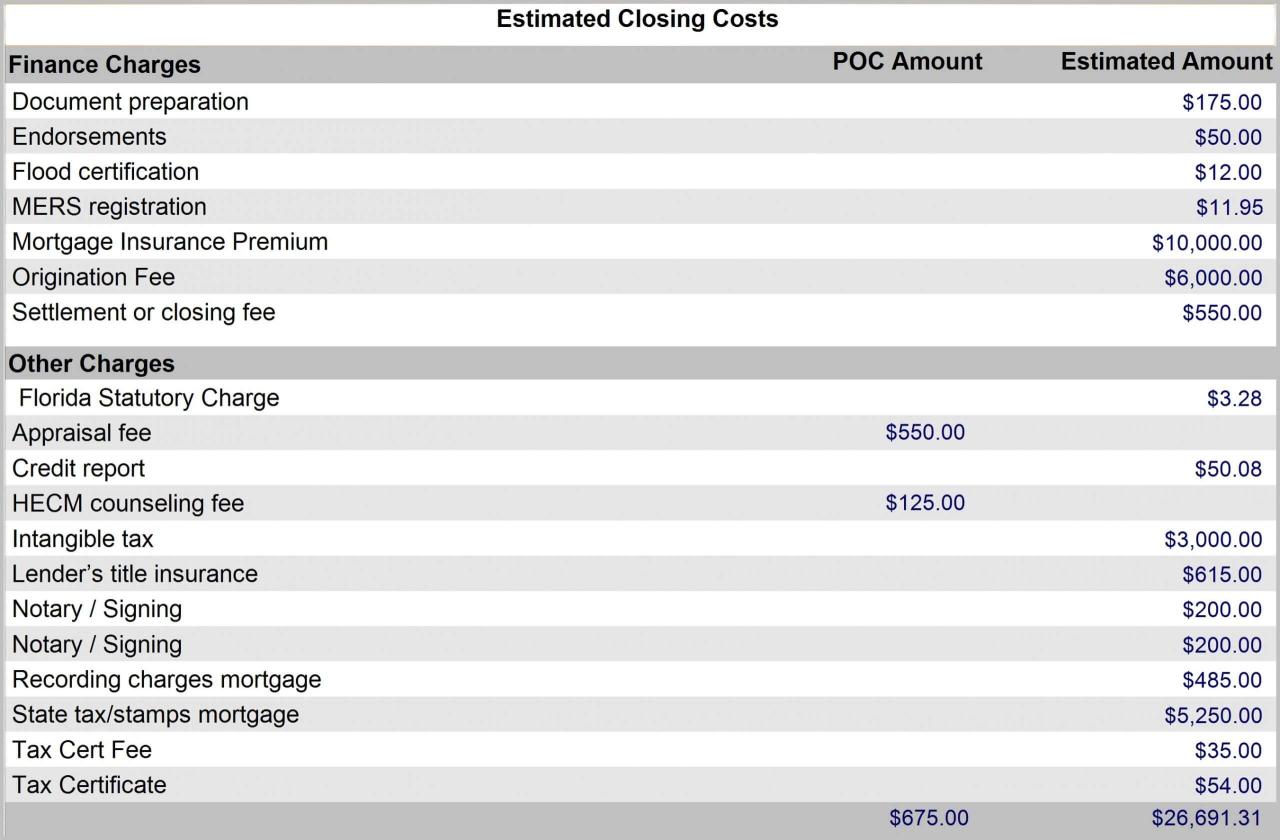
When homeowners decide to refinance their mortgage, it’s essential to understand the closing costs involved. These costs can significantly impact the overall savings and benefits of refinancing.
Mortgage refinance closing costs typically include a variety of fees and expenses that are incurred during the loan process. Some common costs include:
Origination fees are charges by the lender for processing the loan application. Appraisal fees cover the cost of assessing the property’s value. Title insurance protects the lender in case of any ownership disputes. Attorney fees are for legal services related to the refinance process.
Recording fees are charged for registering the new mortgage with the appropriate authorities.
It is crucial for homeowners to understand these costs before refinancing to ensure they are making a sound financial decision. By knowing the closing costs upfront, homeowners can calculate the break-even point and determine how long it will take to recoup these expenses through lower monthly payments or interest savings.
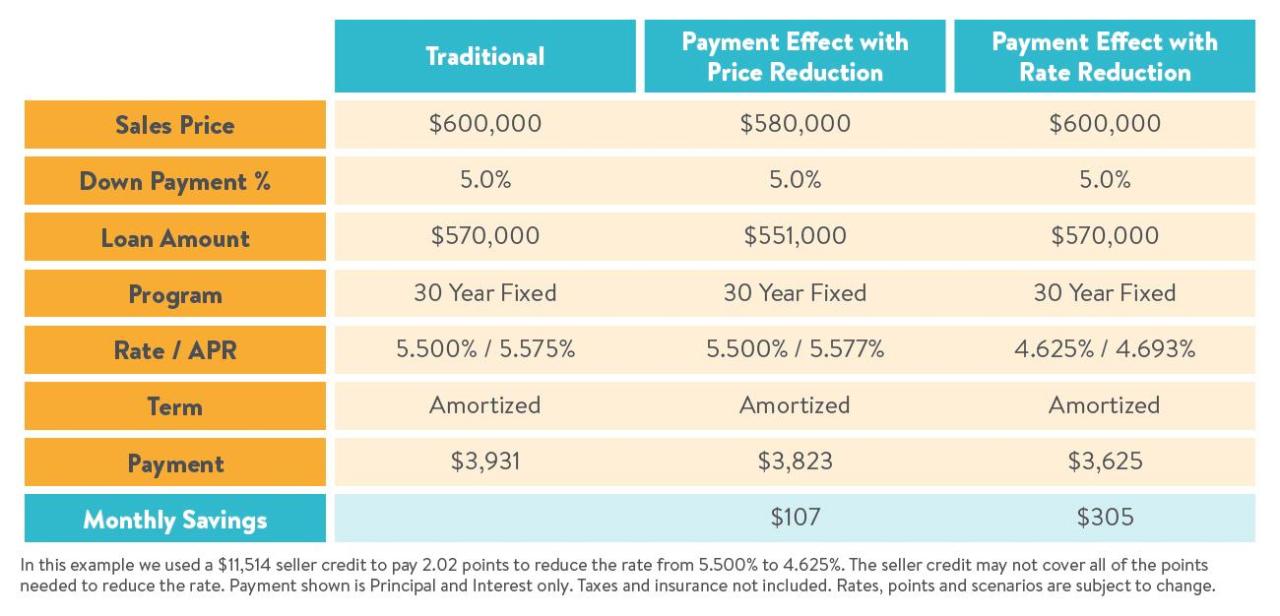
When considering a mortgage refinance, it’s crucial to understand how to calculate the potential savings that may result from this financial move. By comparing the current mortgage terms with the new refinance terms, homeowners can determine if refinancing is a financially beneficial decision.
Various factors can influence the amount of savings a homeowner might expect, making it essential to evaluate the numbers carefully.
When considering a mortgage refinance, understanding the break-even point is crucial. The break-even point is the moment when the savings from refinancing your mortgage balance out the closing costs associated with the refinance.To calculate the break-even point, follow these steps:
Understanding the break-even point can help homeowners make informed decisions about refinancing. If you plan to stay in your home beyond the break-even point, refinancing may be a wise choice as you will start saving money in the long run.
On the other hand, if you anticipate moving before reaching the break-even point, refinancing may not be the most beneficial option financially. By calculating the break-even point, homeowners can weigh the costs and benefits of refinancing and make a decision that aligns with their financial goals.
What are typical fees included in mortgage refinance closing costs?
Common fees include appraisal fees, origination fees, title insurance, and application fees.
How can homeowners calculate potential savings from a mortgage refinance?
Homeowners can calculate potential savings by comparing the total cost of their current mortgage to the total cost of the new refinanced mortgage, factoring in interest rates and loan terms.
What is a break-even point in the context of mortgage refinance closing costs?
The break-even point is the time it takes for the cumulative savings from a refinanced mortgage to equal the closing costs.