Homeowners Insurance Quotes: How to Compare Coverage, Deductibles, and Premiums
Homeowners Insurance Quotes: How to Compare Coverage, Deductibles, and Premiums sets the stage for this enthralling narrative, offering readers a glimpse into a story that is rich in detail with casual formal language style and brimming with originality from the outset.
Exploring the intricacies of homeowners insurance quotes can be a daunting task, but understanding the components of coverage, deductibles, and premiums is key to finding the right policy. This guide delves into the nuances of comparing quotes to help you make an informed decision for your home protection needs.
When it comes to homeowners insurance, understanding the quotes you receive is crucial in making an informed decision. Let’s break down the components of a homeowners insurance quote, identify key elements to look for, and discuss the importance of comparing quotes from different providers.
A homeowners insurance quote typically includes several key components that Artikel the coverage, deductibles, and premiums you can expect. These components often consist of:
When reviewing a homeowners insurance quote, it’s essential to pay attention to certain key elements that can impact your coverage and costs. Some important things to look for include:
Comparing homeowners insurance quotes from multiple providers can help you find the best coverage at the most competitive price. By obtaining quotes from different insurance companies, you can:
When comparing homeowners insurance quotes, it is essential to understand the various types of coverage included in a policy. Different coverage types offer protection for specific scenarios, and the limits of each coverage can vary significantly.The standard homeowners insurance policy typically includes the following types of coverage:
Dwelling coverage protects the structure of your home, including walls, roof, foundation, and attached structures like a garage. In the event of damage from covered perils such as fire, windstorm, or vandalism, dwelling coverage helps repair or rebuild your home.
Personal property coverage protects your belongings inside the home, such as furniture, electronics, clothing, and appliances. If your personal items are damaged or stolen, this coverage helps replace or repair them.
Liability coverage protects you in case someone is injured on your property or if you accidentally damage someone else’s property. It helps cover legal fees, medical expenses, and settlements if you are found liable for the damages.
If your home becomes uninhabitable due to a covered peril, additional living expenses coverage helps pay for temporary living arrangements, such as hotel stays or rental accommodations, while your home is being repaired.Coverage limits vary depending on the policy and insurer.
It’s crucial to review and understand the limits of each coverage type to ensure you have adequate protection. Higher coverage limits provide more extensive protection but may result in higher premiums. On the other hand, lower limits could leave you financially vulnerable in case of a significant loss.Comparing coverage limits and understanding the different types of coverage included in homeowners insurance quotes can help you select a policy that meets your needs and offers the right level of protection for your home and belongings.
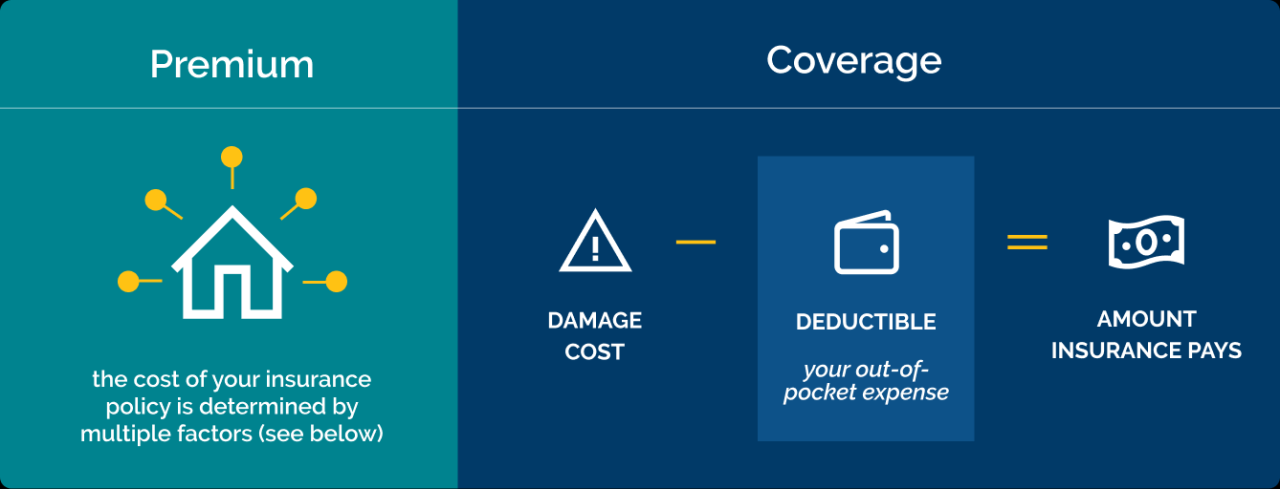
In the realm of homeowners insurance, deductibles play a crucial role in determining how much you’ll pay out of pocket before your insurance kicks in. Let’s delve deeper into this often misunderstood aspect of insurance coverage.When you purchase a homeowners insurance policy, the deductible is the amount you agree to pay towards a covered claim before your insurance company steps in to cover the rest.
For example, if you have a $1,000 deductible and file a claim for $5,000 in damages, you would pay the first $1,000, and your insurer would cover the remaining $4,000.
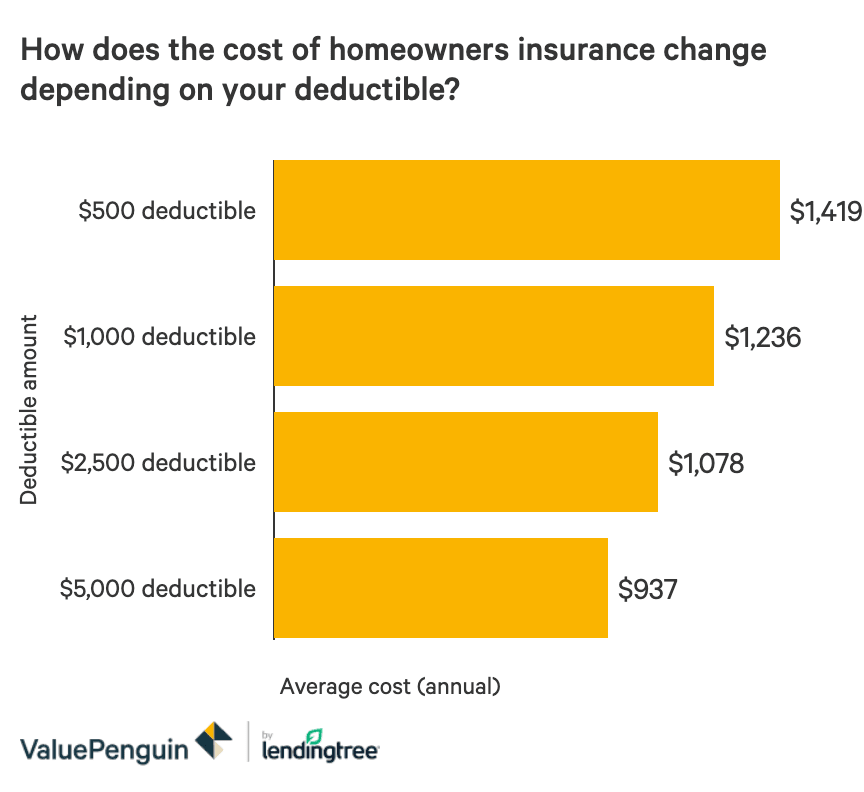
Choosing the right deductible amount can significantly impact your premiums. Generally, the higher the deductible you choose, the lower your premium will be. This is because you are agreeing to bear a larger portion of the risk, making you less of a financial liability to the insurance company.
On the other hand, opting for a lower deductible will result in higher premiums since the insurance company is taking on more risk.
When deciding on the right deductible, consider your financial situation and risk tolerance. If you have savings set aside for emergencies and can comfortably cover a higher deductible, opting for a lower premium might be the way to go. However, if you prefer predictability in your budget and are willing to pay slightly higher premiums, a lower deductible could provide peace of mind.
Tip: It’s essential to strike a balance between your deductible amount and monthly premium that aligns with your financial capabilities and risk tolerance.
When it comes to homeowners insurance, understanding the factors that influence premiums is essential. Premiums are the amount you pay for your insurance coverage, and they can vary based on several key factors. By knowing how premiums are calculated and what you can do to lower them without compromising coverage, you can make informed decisions when comparing quotes from different insurance companies.
What factors should I consider when comparing homeowners insurance quotes?
When comparing quotes, consider the coverage limits, types of coverage offered, deductible amounts, and premiums. It’s important to assess the overall value and protection each policy provides.
Can I adjust my deductible amount after purchasing a homeowners insurance policy?
Yes, you can typically adjust your deductible amount even after purchasing a policy. However, it’s advisable to consult with your insurance provider to understand any implications or changes to your premium.
How can I lower my homeowners insurance premiums without compromising coverage?
To lower premiums, consider bundling policies, improving home security, maintaining a good credit score, and exploring discounts offered by insurance companies. These steps can help reduce costs while maintaining adequate coverage.