
Home Insurance After Storm Damage: Claims, Repairs, and Coverage Explained
Home Insurance After Storm Damage: Claims, Repairs, and Coverage Explained sets the stage for this enthralling narrative, offering readers a glimpse into a story that is rich in detail with casual formal language style and brimming with originality from the outset.
As we delve into the intricacies of home insurance post-storm damage, a world of claims, repairs, and coverage unfolds, shedding light on the essential steps homeowners must navigate in the aftermath of a storm.
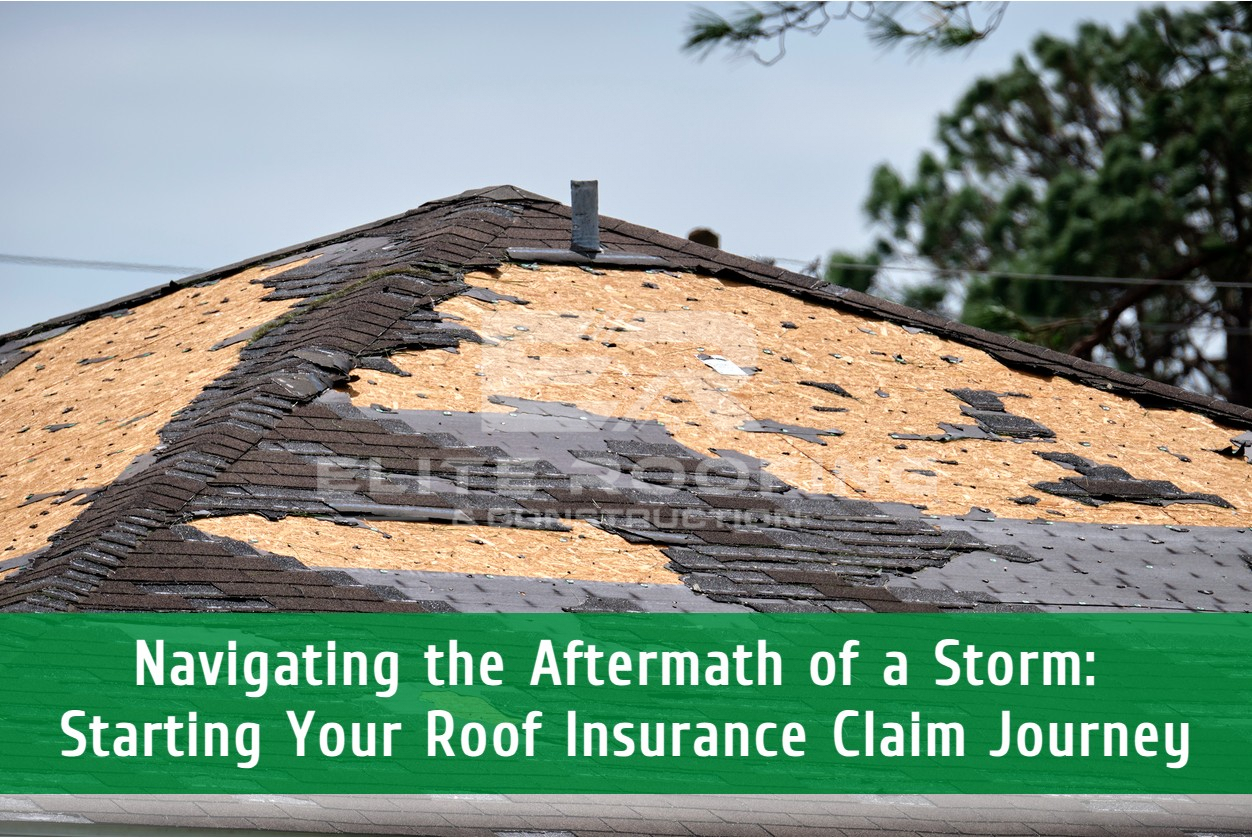
After a storm has caused damage to your home, it is crucial to understand what your home insurance policy covers in such situations. Here, we will discuss the typical coverage included in home insurance policies after storm damage, the process homeowners should follow to file a claim, and common exclusions related to storm damage.
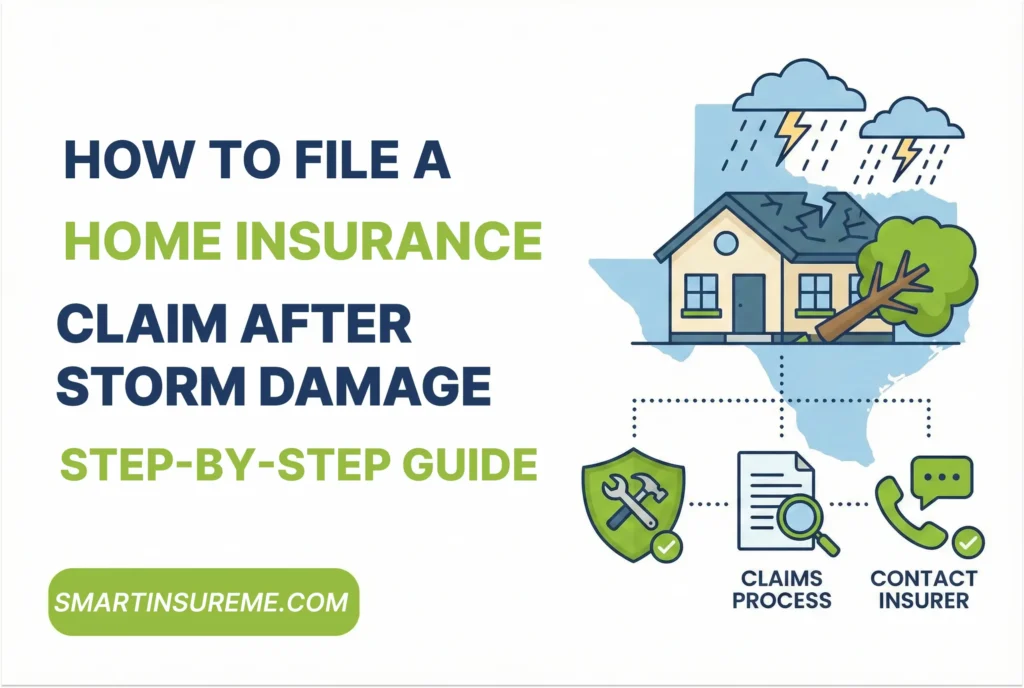
When a storm hits and damages your home, it’s crucial to assess the extent of the damage properly. This will help you understand the repairs needed and ensure you receive the appropriate coverage from your insurance company.
When it comes to protecting your home from storm damage, understanding the different types of home insurance policies available is crucial. Let’s compare and contrast some common policies like HO-3, HO-5, and HO-8 in relation to storm damage coverage.
The HO-3 policy is the most common type of homeowners insurance and provides coverage for a wide range of perils, including storm damage. However, it typically does not cover flood damage or certain types of water damage.
On the other hand, the HO-5 policy is a more comprehensive option that covers a broader range of perils, including storm damage, unless specifically excluded in the policy. This policy may offer more protection against costly repairs due to storm damage.
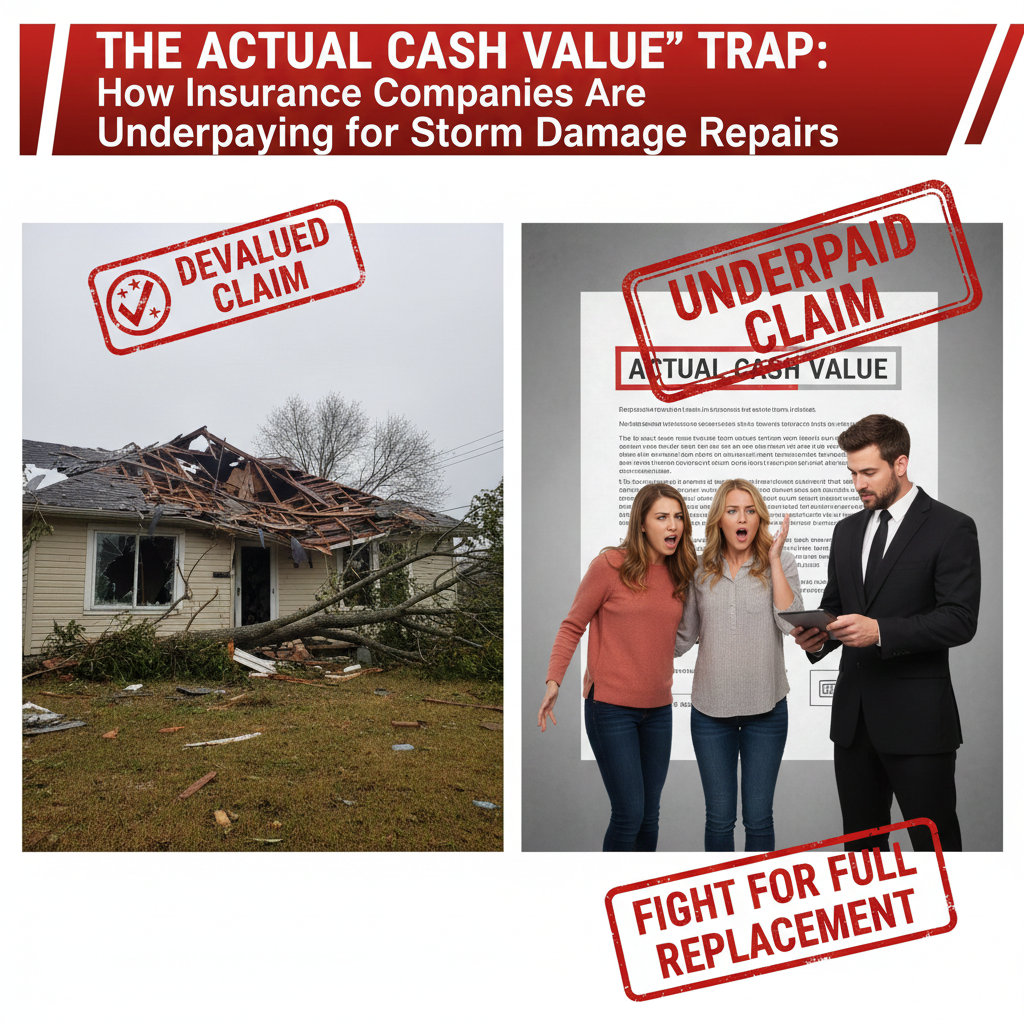
The HO-8 policy is designed for older homes and may provide limited coverage for storm damage. It typically offers actual cash value coverage, which takes depreciation into account when reimbursing for repairs.
In addition to standard home insurance policies, it’s important to consider additional coverage options like flood insurance or windstorm insurance. These policies can provide extra protection in areas prone to specific types of storm damage that may not be covered by a typical homeowners policy.
Coverage limits can significantly affect the reimbursement for storm damage repairs. For example, if your policy has a low coverage limit for storm damage, you may end up having to pay out-of-pocket for repairs that exceed the limit. It’s essential to review your policy limits and consider adjusting them based on your home’s value and potential risks.
When it comes to maximizing your home insurance claims after a storm, there are several strategies you can employ to ensure a smooth and successful process. By avoiding common mistakes and knowing how to negotiate with insurance adjusters, you can increase your chances of receiving a fair settlement.
What is the typical coverage included in home insurance policies after storm damage?
Home insurance policies usually cover damage caused by storms, including wind and hail damage. However, coverage can vary, so it’s essential to review your policy to understand the specifics.
Why is it important to document storm damage for insurance claims?
Documenting storm damage is crucial for insurance claims as it provides evidence of the extent of damage incurred. This documentation helps streamline the claims process and ensures a fair settlement.
How can homeowners negotiate with insurance adjusters for fair settlements?
To negotiate effectively with insurance adjusters, homeowners should present thorough documentation of the damage, understand their policy coverage, and be prepared to advocate for their rights while remaining professional and persistent.