
Naturally Aspirated Engine Maintenance Cost: Reliability, Fuel Economy and Repairs
Exploring the world of Naturally Aspirated Engine Maintenance Cost: Reliability, Fuel Economy and Repairs, this article delves into the intricacies of maintaining these engines with a focus on cost, reliability, and efficiency.
From understanding the fundamental differences between naturally aspirated and turbocharged engines to exploring the impact of regular maintenance on engine longevity, this discussion aims to provide a comprehensive overview.
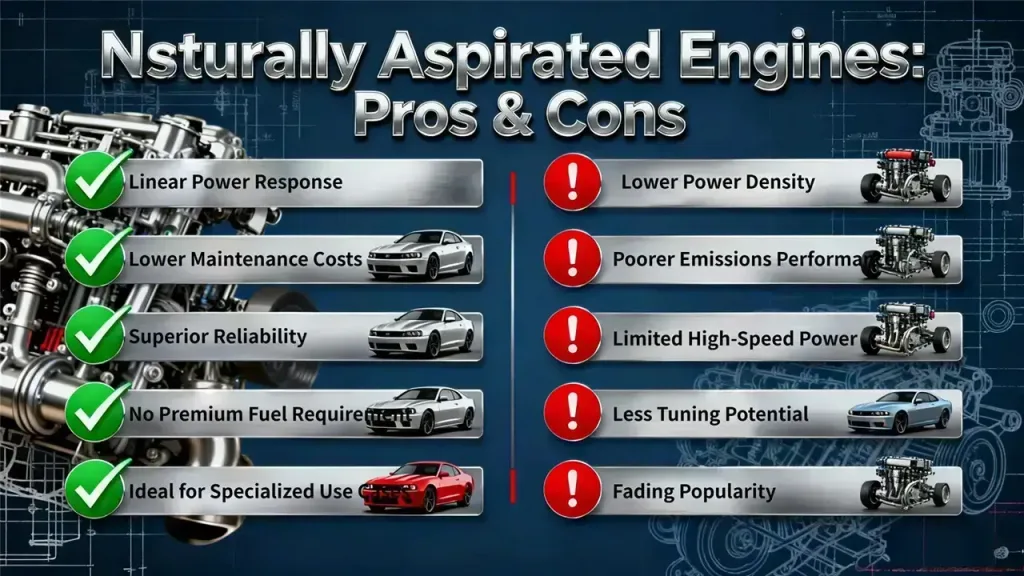
A naturally aspirated engine is a type of internal combustion engine that relies on atmospheric pressure to draw air into the combustion chamber. Unlike turbocharged engines, which use a turbocharger to force more air into the engine for increased power, naturally aspirated engines operate solely based on the natural flow of air.
Naturally aspirated engines intake air through the intake manifold and mix it with fuel in the combustion chamber. The piston then compresses the air-fuel mixture before ignition, resulting in the power stroke that drives the engine.
When it comes to reliability, naturally aspirated engines have a reputation for being durable and long-lasting. The simplicity of their design often leads to fewer potential points of failure, making them a reliable choice for many drivers.
Regular maintenance plays a crucial role in ensuring the reliability of naturally aspirated engines. By following the manufacturer’s recommended maintenance schedule and addressing any issues promptly, drivers can prolong the lifespan of their engines and minimize the risk of unexpected breakdowns.
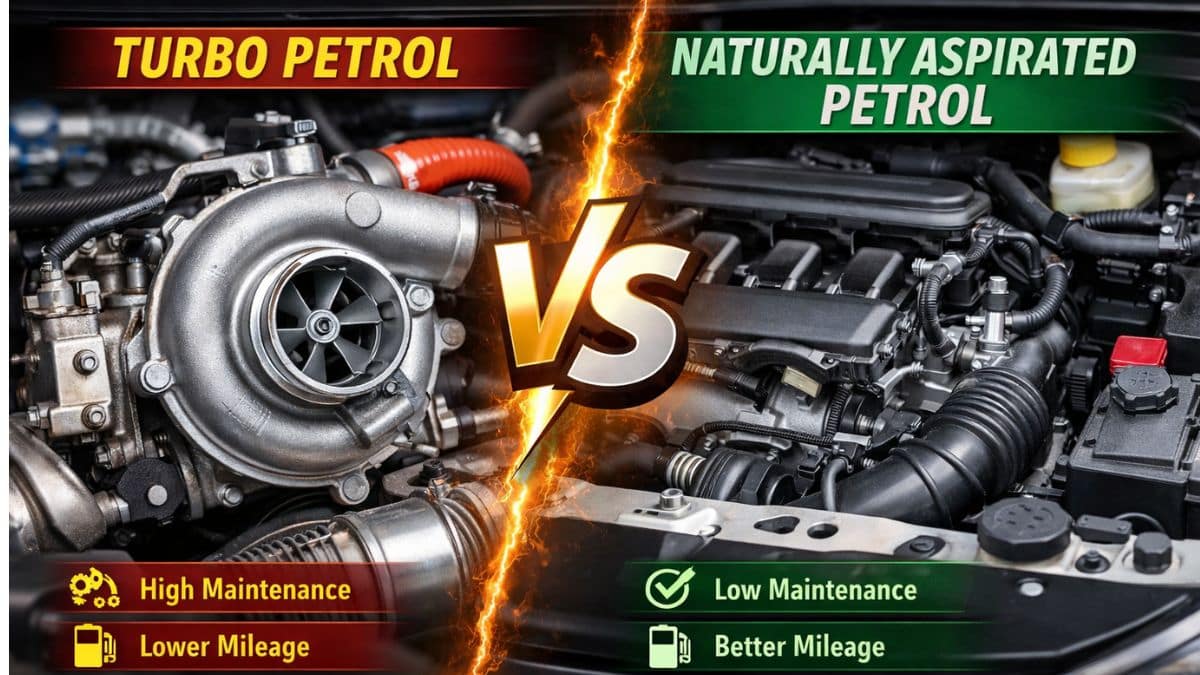
When it comes to fuel economy, naturally aspirated engines have their own set of characteristics that set them apart from turbocharged engines. Let’s delve into the factors that affect the fuel efficiency of these engines.Engine size plays a significant role in determining fuel economy.
Generally, larger engines tend to consume more fuel compared to smaller ones. Naturally aspirated engines, with their simpler design and lack of turbochargers, are often more fuel-efficient at lower speeds and in city driving conditions. On the other hand, turbocharged engines can provide more power and efficiency at higher speeds due to forced induction.In terms of design, naturally aspirated engines are optimized for fuel efficiency in a specific rpm range.
They are tuned to deliver power without the need for forced induction, which can sometimes result in better fuel economy during everyday driving scenarios. However, turbocharged engines can offer better fuel efficiency under heavy load or high-speed conditions.
When it comes to owning a naturally aspirated engine, it’s essential to consider the maintenance costs involved in keeping it running smoothly. These costs can significantly impact your overall ownership experience and the performance of your vehicle.
Following the manufacturer-recommended maintenance schedules is crucial for the longevity and performance of your naturally aspirated engine. These schedules are designed to keep your engine running smoothly and efficiently, reducing the risk of unexpected breakdowns or costly repairs.
The maintenance costs of a naturally aspirated engine can significantly impact your overall ownership experience. By staying on top of regular maintenance tasks, you can avoid costly repairs, ensure reliable performance, and even improve fuel efficiency. Neglecting maintenance can lead to reduced performance, decreased fuel economy, and potentially even engine damage.
Proper maintenance of a naturally aspirated engine is crucial to keep it running smoothly and efficiently. However, there are common repair issues that may arise over time, requiring attention to ensure the engine’s longevity.
One of the most common repair tasks for a naturally aspirated engine is replacing the spark plugs. Symptoms of worn-out spark plugs include misfires, rough idling, and decreased fuel efficiency. It is important to regularly check and replace spark plugs to maintain optimal engine performance.
A dirty or clogged air filter can restrict airflow to the engine, leading to decreased fuel efficiency and power output. It is essential to replace the air filter at regular intervals to prevent damage to the engine and ensure proper combustion.
Regular oil and filter changes are essential for the health of a naturally aspirated engine. Dirty oil can lead to increased friction and wear on engine components, reducing efficiency and potentially causing serious damage. It is crucial to follow the manufacturer’s recommended oil change intervals to keep the engine running smoothly.
Issues with the cooling system, such as a leaking radiator or malfunctioning thermostat, can lead to overheating and engine damage. Regular inspection and maintenance of the cooling system, including checking coolant levels and flushing the system periodically, are essential to prevent costly repairs.
The timing belt is a critical component of a naturally aspirated engine, synchronizing the movement of the engine’s internal parts. A worn or broken timing belt can cause serious engine damage, including bent valves or piston damage. It is crucial to replace the timing belt according to the manufacturer’s recommended schedule to avoid costly repairs.
How does engine size and design affect the fuel economy of naturally aspirated engines?
The engine size and design directly impact the fuel efficiency of naturally aspirated engines. Smaller engines with efficient designs tend to offer better fuel economy compared to larger, less aerodynamic ones.
What are some renowned naturally aspirated engine models known for their reliability?
Models like the Honda Civic’s naturally aspirated engines and Toyota Corolla’s engines are well-regarded for their reliability and longevity.
Why is it important to follow manufacturer-recommended maintenance schedules for naturally aspirated engines?
Adhering to these schedules ensures that the engine remains in optimal condition, minimizing the risk of unexpected breakdowns and costly repairs in the long run.