Cash-Out Refinance: How Much Equity Can You Borrow From Your Home?
Exploring the realm of Cash-Out Refinance: How Much Equity Can You Borrow From Your Home?, this paragraph sets the stage for an enlightening journey, enticing readers with valuable insights and perspectives.
The subsequent paragraph delves into the intricacies of the topic, providing a comprehensive and detailed exploration.
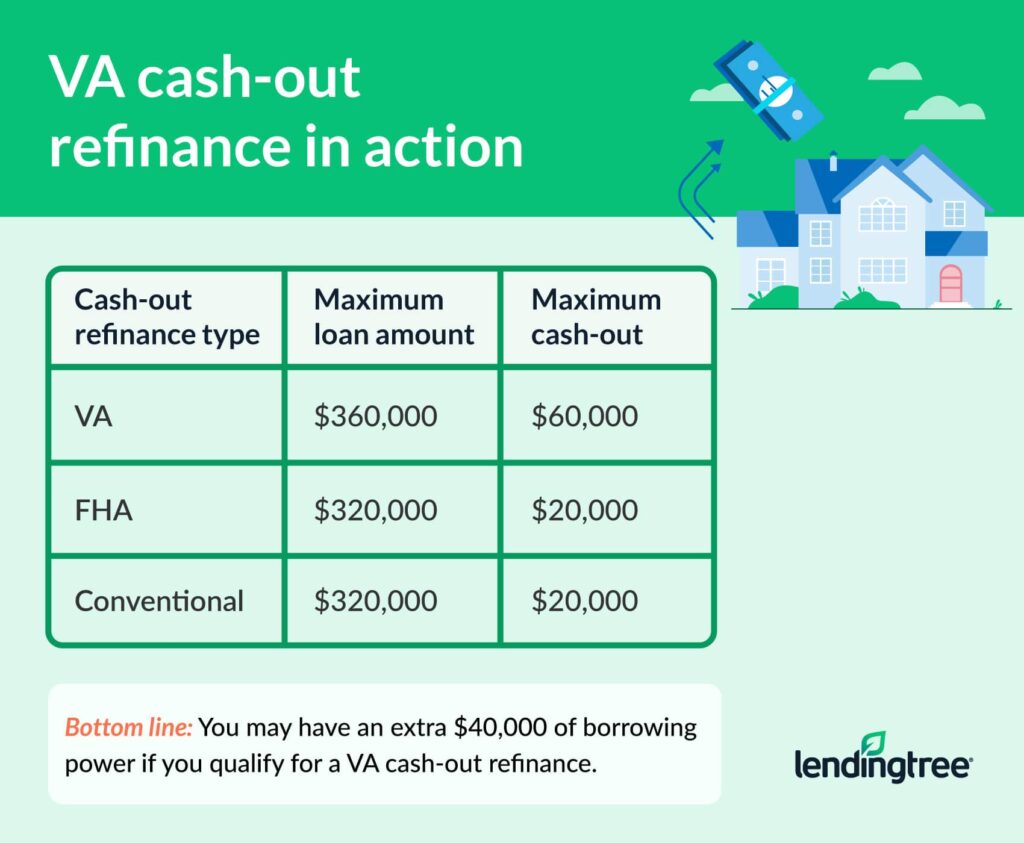
A cash-out refinance is a type of mortgage refinancing option where you borrow more than what you currently owe on your home and receive the difference in cash. Essentially, you replace your existing mortgage with a new one that has a higher balance, allowing you to cash out the equity you’ve built up in your home.
Unlike other types of refinancing, such as rate-and-term refinance which focuses on obtaining a better interest rate or loan term, a cash-out refinance lets you tap into the equity you’ve accumulated in your home over time.

Calculating the equity in your home is essential when considering a cash-out refinance. Equity is the difference between the current market value of your home and the outstanding balance on your mortgage.
Understanding your home’s current value is crucial for a cash-out refinance as it directly impacts the amount of equity you can access. You can obtain a professional appraisal or utilize online tools to estimate your home’s value accurately.

When it comes to a cash-out refinance, the loan-to-value ratio plays a crucial role in determining how much equity you can borrow from your home. This ratio is a comparison between the amount of the loan you are requesting and the appraised value of your home.
The loan-to-value ratio is significant because it helps lenders assess the risk involved in providing you with a cash-out refinance. A lower ratio indicates less risk for the lender, while a higher ratio may suggest a higher risk. Lenders typically have specific requirements for the maximum loan-to-value ratio they are willing to accept.
The loan-to-value ratio directly affects the amount you can borrow through a cash-out refinance. A higher ratio means you can access more equity from your home, but it also increases the risk for the lender. On the other hand, a lower ratio may limit the amount you can borrow but can result in more favorable loan terms.
Understanding the loan-to-value ratio is essential when considering a cash-out refinance, as it influences both the approval process and the terms of the loan.
When considering a cash-out refinance, it’s essential to weigh the advantages and disadvantages to make an informed decision. Here are some key points to consider:
What is a Cash-Out Refinance?
A cash-out refinance involves replacing your current mortgage with a new one that has a higher balance, allowing you to withdraw the excess equity as cash.
How do you calculate the equity in your home?
Equity in your home is calculated by subtracting the outstanding mortgage balance from the current market value of your property.
What are the advantages of opting for a cash-out refinance?
Some advantages include access to funds for home improvements, debt consolidation, or other financial needs, potentially at a lower interest rate than other forms of borrowing.
What are the potential risks associated with cash-out refinancing?
Risks may include increasing your overall debt, risking foreclosure if you can’t make payments, and potentially paying higher interest rates.