First-Time Home Buyer Mortgage: Loans, Deposits, and Eligibility Explained
First-Time Home Buyer Mortgage: Loans, Deposits, and Eligibility Explained sets the stage for this enthralling narrative, offering readers a glimpse into a story that is rich in detail and brimming with originality from the outset.
The content delves into the various types of mortgage loans, eligibility criteria, and deposit requirements for first-time home buyers, providing a comprehensive guide for those navigating the home buying process for the first time.
When it comes to buying your first home, understanding the different types of mortgage loans available is crucial. Here are some key options to consider:

When it comes to qualifying for a first-time home buyer mortgage, there are specific eligibility criteria that lenders consider. These criteria usually include credit score requirements, debt-to-income ratio, and the minimum down payment needed.
Typically, first-time home buyer loans require a minimum credit score of around 620 to 640. However, some lenders may accept lower scores, but a higher score can help you secure better loan terms and interest rates.
To qualify for a first-time home buyer mortgage, lenders will also assess your debt-to-income ratio. This ratio compares your monthly debt payments to your gross monthly income. Generally, a debt-to-income ratio of 43% or lower is preferred by most lenders, although some may accept higher ratios depending on other factors.
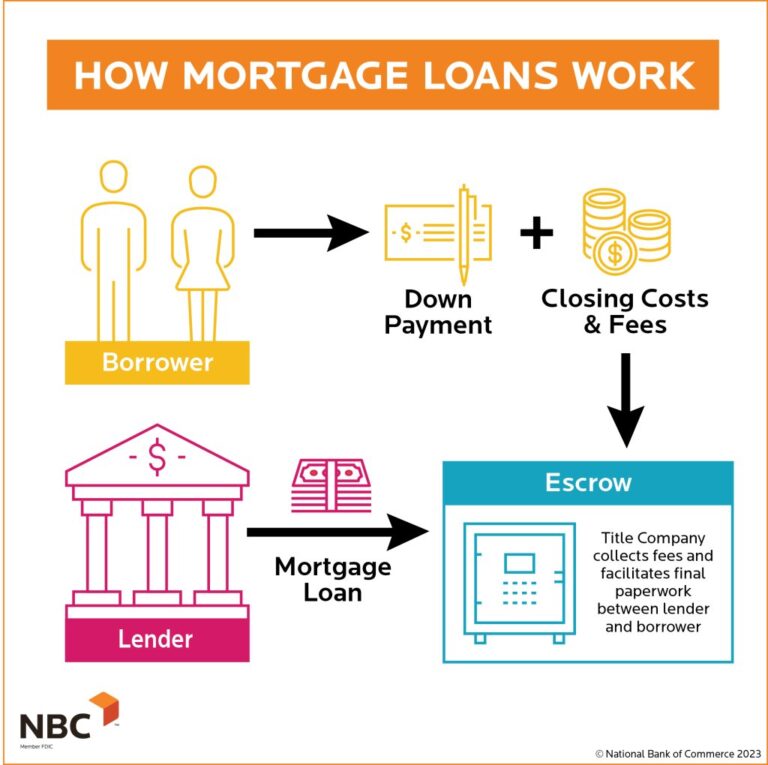
The minimum down payment required for first-time home buyers can vary based on the type of loan you choose. For example, an FHA loan typically requires a minimum down payment of 3.5% of the purchase price, while conventional loans may require 3% to 5% down.
It’s important to note that a larger down payment can help you avoid private mortgage insurance (PMI) and may also result in lower monthly payments.
When it comes to buying your first home, one of the key factors to consider is the deposit you need to make. A down payment is a crucial part of the home buying process for first-time buyers, as it can significantly impact the type of mortgage you qualify for and the overall cost of your home.
Having a sufficient down payment shows lenders that you are serious about the purchase and reduces the risk for them, making you a more favorable borrower. It can also help lower your monthly mortgage payments and potentially save you money on interest over the life of the loan.
There are various down payment assistance programs available to first-time home buyers, designed to help individuals overcome the financial barrier of saving for a down payment. These programs may offer grants, low-interest loans, or other forms of assistance to help eligible buyers achieve their homeownership goals.
What credit score is typically required for first-time home buyer loans?
Credit score requirements can vary, but a minimum score of 580 is often needed for FHA loans, while conventional loans may require scores of 620 or higher. It’s best to check with lenders for specific requirements.
How much down payment is required for first-time home buyers?
The down payment amount varies depending on the type of loan, but it can range from 3% to 20% of the home’s purchase price. Some government-backed loans offer down payment options as low as 3.5%.
Are there programs available to help first-time buyers with down payments?
Yes, there are various down payment assistance programs offered by state and local governments, nonprofits, and employers to help first-time buyers with their down payment and closing costs.