Investment Property Mortgage: Rates, Deposits, and Lending Requirements
Investment Property Mortgage: Rates, Deposits, and Lending Requirements sets the stage for this enthralling narrative, offering readers a glimpse into a story that is rich in detail with casual formal language style and brimming with originality from the outset.
The content of the second paragraph that provides descriptive and clear information about the topic
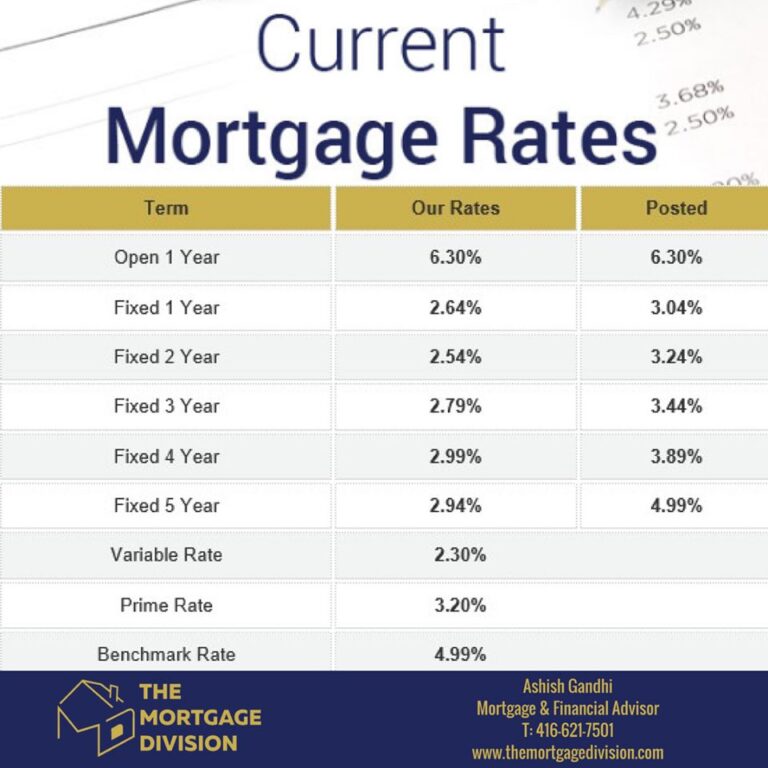
Investment property mortgage rates are typically higher than residential mortgage rates due to the increased risk associated with investment properties. Lenders view investment properties as a higher risk because the borrower’s primary residence is not at stake, making it more likely for them to default on the loan.Factors that influence investment property mortgage rates include the borrower’s credit score, the loan-to-value ratio, the property’s location and condition, and current market conditions.
A higher credit score and a lower loan-to-value ratio can result in lower interest rates, while properties in desirable locations and good condition may also qualify for better rates.
When considering an investment property mortgage, borrowers have the option to choose between a fixed-rate mortgage and an adjustable-rate mortgage (ARM).
In conclusion, borrowers should carefully consider their financial goals and risk tolerance when deciding between fixed-rate and adjustable-rate investment property mortgages.
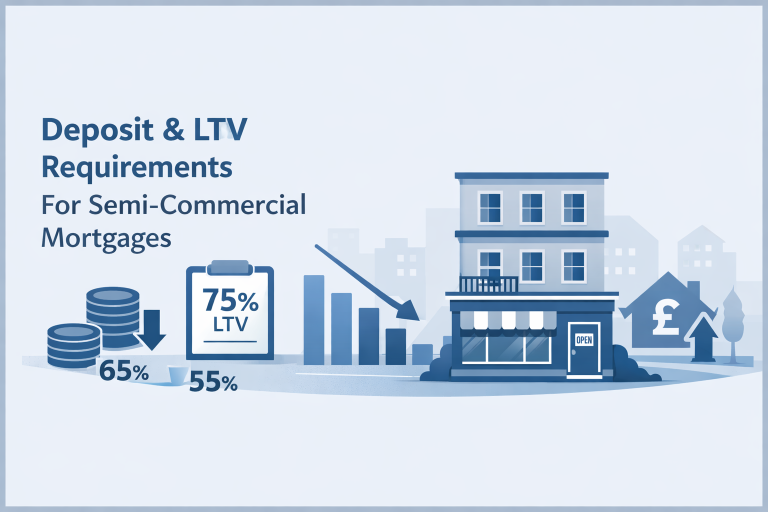
Investment property mortgages typically require a higher deposit compared to traditional home loans. This is due to the higher risk associated with investment properties and the potential for fluctuating rental income.The typical minimum deposit required for an investment property mortgage is around 20% of the property’s purchase price.
However, some lenders may require a deposit of up to 30% or more, depending on various factors such as your credit score, income, and the location of the property.The deposit amount can significantly impact the loan terms for an investment property mortgage.
A larger deposit can result in lower interest rates, reduced monthly repayments, and potentially better loan terms overall. On the other hand, a smaller deposit may lead to higher interest rates, stricter lending requirements, and possibly the need for lenders mortgage insurance (LMI).
Investment property mortgages come with specific lending requirements that borrowers need to meet in order to qualify for a loan. These requirements typically include factors such as credit score, debt-to-income ratio, property type, and occupancy status.
To qualify for an investment property mortgage, borrowers generally need a higher credit score compared to a primary residence mortgage. Most lenders require a credit score of at least 620, but a score of 700 or higher may increase your chances of approval and potentially result in better loan terms.
Lenders also consider the debt-to-income ratio (DTI) of borrowers when evaluating their eligibility for an investment property loan. The DTI ratio is calculated by dividing the total monthly debt payments by the gross monthly income. Typically, lenders look for a DTI ratio of 36% or lower, although some may accept ratios up to 50% with strong compensating factors.
The type of property and how it will be occupied can also impact lending requirements. For example, lenders may have different criteria for single-family homes, multi-unit properties, or commercial real estate. Additionally, whether the property will be used as a rental property or a vacation home can affect the terms of the loan.
What credit score is typically needed for an investment property mortgage?
The typical credit score needed to qualify for an investment property mortgage is around 620 or higher, but some lenders may require a higher score.
How does the property type and occupancy affect lending requirements?
The property type and occupancy can affect lending requirements as lenders may have different criteria for single-family homes, multi-unit properties, and investment properties that are rented out versus owner-occupied.
What are some strategies for saving up for a deposit for an investment property?
Some strategies for saving up for a deposit include setting a budget, cutting expenses, increasing income, and exploring down payment assistance programs.