Remortgage Deals UK: How to Compare Rates and Switching Costs
Delving into Remortgage Deals UK: How to Compare Rates and Switching Costs, this introduction immerses readers in a unique and compelling narrative that explores the intricacies of remortgaging. From understanding the basics to navigating the complexities of comparing rates and switching costs, this guide aims to provide homeowners with valuable insights to make informed decisions.
As we delve deeper into the world of remortgaging in the UK, we uncover the key considerations, benefits, and challenges that come with exploring new mortgage deals.
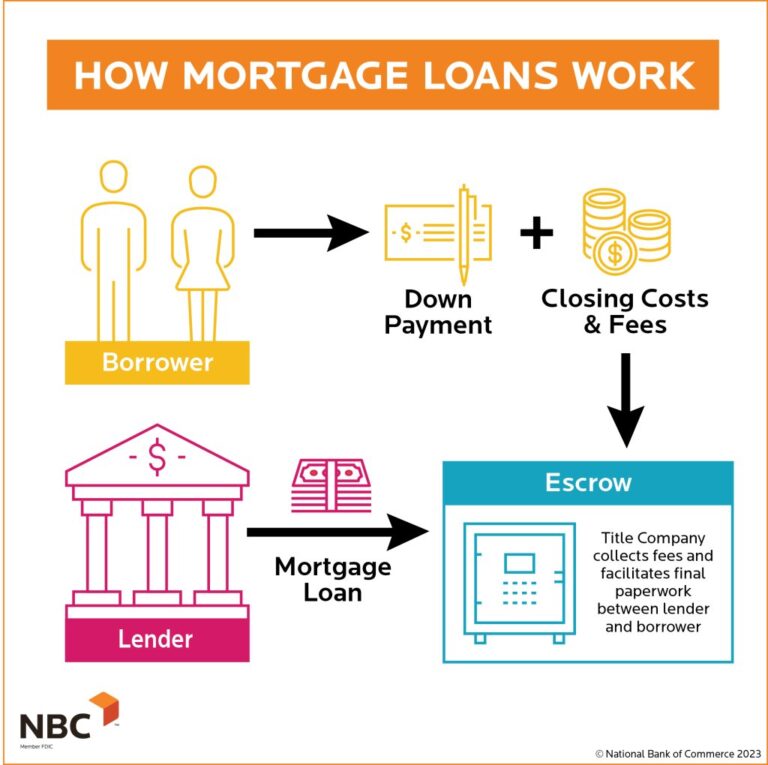
Remortgaging is the process of switching your current mortgage to a new deal, often with a different lender. People consider remortgaging for various reasons, such as taking advantage of lower interest rates, releasing equity in their homes, or consolidating debts.
There are several benefits of remortgaging for homeowners, including potentially saving money on monthly repayments, accessing better interest rates, and adjusting the term of the mortgage to better suit their financial goals.

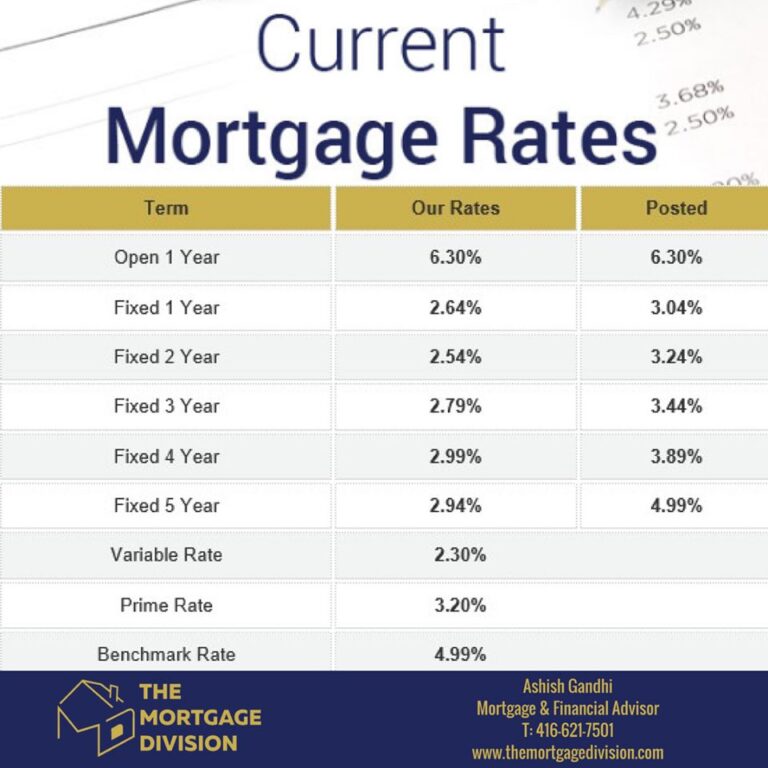
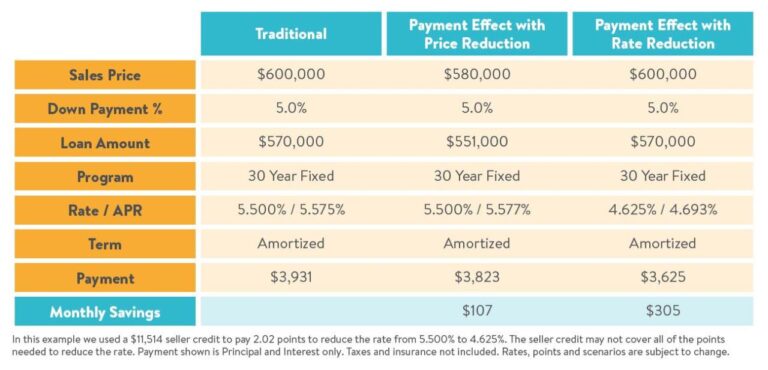
When looking to remortgage your home, one of the most critical factors to consider is the interest rate offered by different lenders. Comparing remortgage rates can help you find a deal that suits your financial needs and saves you money in the long run.

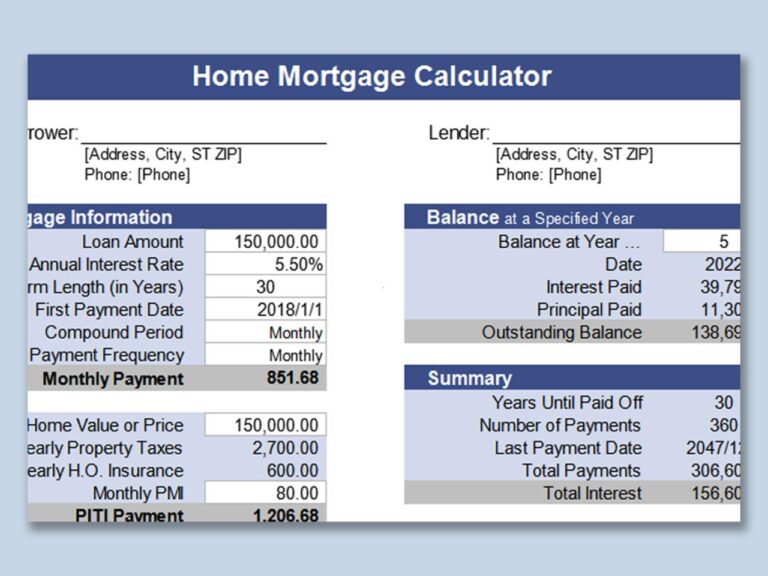
When considering remortgaging, it’s crucial to assess the switching costs involved to determine if it’s financially beneficial for you.The various fees associated with switching to a new mortgage deal may include:
Fee for evaluating the property to determine its current value.
Charge for setting up the new mortgage deal.
Covering the cost of solicitors or conveyancers for legal work.
Penalty for leaving your current mortgage deal early.
Fees for paying off your existing mortgage before the agreed term.
Comparing the costs of early repayment charges among different lenders is essential. Some lenders may have lower ERCs, making it more cost-effective to switch to their remortgage deal. To help you understand the common switching costs associated with remortgaging, below is a table outlining the typical fees you may encounter:
£500
£2,000
£1,500
£300
Q&A
What is remortgaging and why do people consider it?
Remortgaging is the process of switching your current mortgage to a new deal, often to secure a better interest rate or release equity from your home. People consider it to save money on repayments or access funds for home improvements or other financial needs.
How do you find the best remortgage rates in the UK market?
To find the best remortgage rates, compare offers from different lenders, consider fixed vs. variable rates, and take into account any associated fees. Additionally, consult with a mortgage broker for personalized advice.
What are common switching costs associated with remortgaging?
Common switching costs include valuation fees, legal fees, arrangement fees, and early repayment charges. These costs can vary between lenders, so it’s important to factor them into your decision-making process.